
Tracking High-Altitude Highways With the Agras T70P
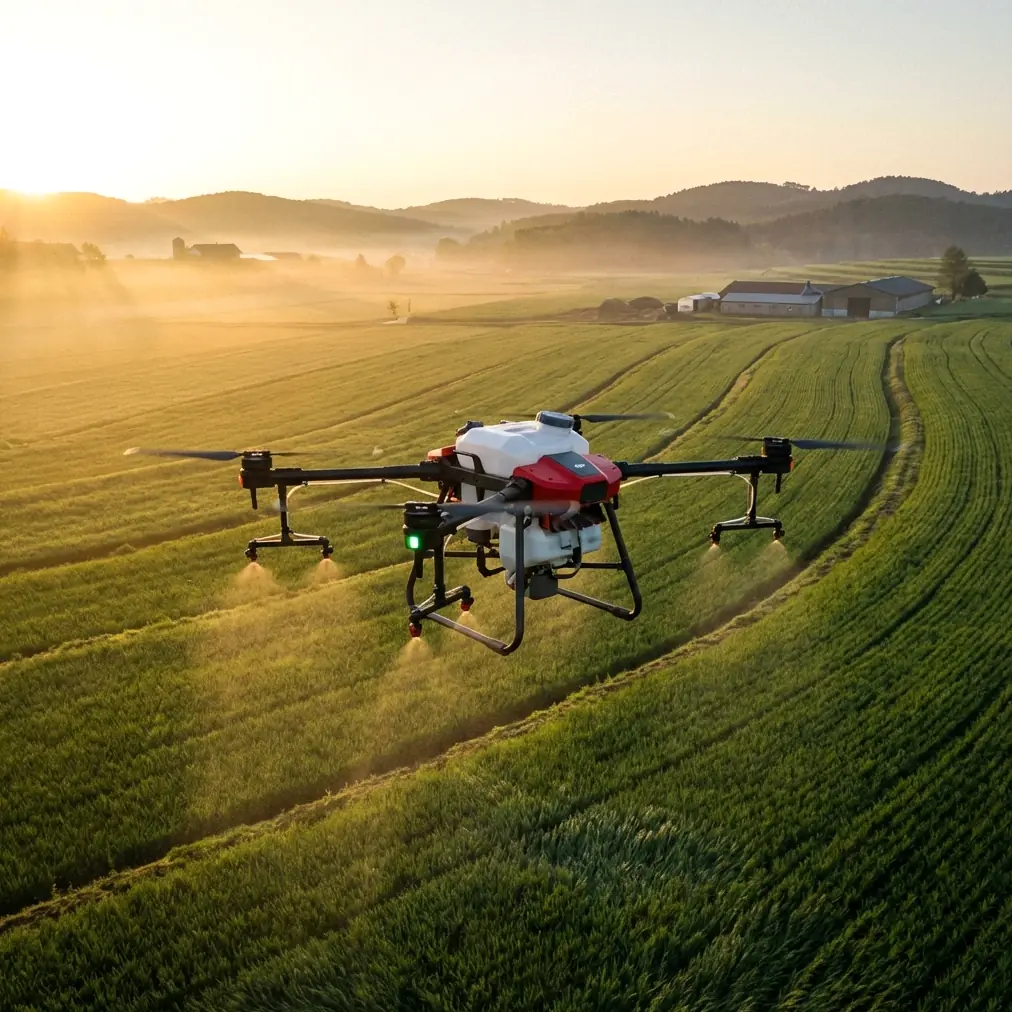
Tracking High-Altitude Highways With the Agras T70P: Field Tips That Actually Matter
META: Practical expert guide to using the Agras T70P for high-altitude highway corridor tracking, with setup tips on RTK fix rate, spray drift control, nozzle calibration, swath width, and weather-resistant operation.
High-altitude highway work exposes every weakness in a drone operation. Thin air reduces lift margin. Mountain crosswinds punish poor route planning. Long linear corridors test GNSS stability, pilot discipline, and battery logistics all at once. If your aircraft, workflow, or assumptions are weak, a highway mission in upland terrain reveals it quickly.
That is exactly why the Agras T70P deserves a more technical conversation than it usually gets.
Most discussion around the T70P stays inside the usual agricultural box: payload, coverage, spraying speed, tank volume. Those points matter, but they do not tell the full story for operators using the platform to track highway corridors at elevation. In this environment, what separates a useful aircraft from a frustrating one is not a headline number. It is the way the system holds line, manages drift, maintains predictable swath width, and keeps delivering repeatable data when weather and terrain are less forgiving.
I approach the T70P from an academic and operational perspective: not as a brochure object, but as a field instrument. For highway tracking at altitude, the aircraft’s real value comes from a combination of centimeter-class positioning discipline, weather-tolerant hardware, and the ability to standardize mission geometry over long distances. Those details are where successful corridor work is won.
Why highway tracking at altitude is a different problem
A highway is not a compact plot. It is a narrow, elongated operational space with changing elevations, exposed shoulders, culverts, embankments, retaining structures, drainage zones, and traffic-adjacent hazards. Add altitude and the mission changes character again.
Three issues dominate:
Lateral wind pressure increases operational error.
On a mountainside road, even a modest crosswind can push droplets, alter image overlap, or pull the aircraft off corridor centerline.GNSS quality becomes mission-critical.
Curving roads, cut slopes, bridges, and terrain masking can degrade the consistency of a clean RTK solution. If the RTK fix rate drops at the wrong moment, your corridor alignment suffers.Repeatability matters more than raw speed.
Highway monitoring is often comparative. You are not just flying once. You are tracking change: slope vegetation encroachment, roadside runoff, surface edge conditions, or application consistency along a treatment strip.
The T70P fits this job better than many operators expect because it is built for disciplined route execution in difficult outdoor conditions, not just for flying over flat cropland.
Where the Agras T70P stands out against alternatives
Many competing platforms can fly a corridor. Fewer can do it with the same level of practical resilience once the environment becomes cold, wet, windy, and topographically uneven.
The T70P’s advantage is not simply that it is powerful. It is that it is operationally tolerant.
Take weather exposure. An IPX6K protection rating matters on highway work because these missions do not happen only on clean, dry mornings. High-altitude roads often bring mist, road spray, fine particulate contamination, and sudden precipitation. A platform that handles harsh washdown and wet operating conditions with less anxiety gives crews more scheduling flexibility and less downtime between sorties. That is a very real edge over lighter-duty systems that demand a narrower weather window.
Then there is positioning discipline. For corridor tracking, centimeter precision is not a luxury metric. It determines whether repeat missions can be compared in a meaningful way. If your line shifts noticeably between flights, any analysis of vegetation drift, shoulder treatment, or edge-of-pavement change becomes harder to trust. A strong RTK fix rate is therefore not just a technical checkbox. It is the foundation for consistency.
Compared with more generic enterprise drones adapted for corridor work, the T70P also brings a robust task-oriented architecture. It is designed to perform repetitive, route-based outdoor missions under load. That matters because long highway runs punish weak mission continuity. Aircraft that look fine on a spec sheet can become inefficient when asked to repeat linear passes over kilometers of exposed terrain.
Step 1: Build the mission around RTK stability, not around distance
The common planning mistake is to start by asking, “How far can I cover in one session?” The better question is, “How stable is my positioning solution over the entire corridor?”
For high-altitude highway tracking, I recommend dividing the route into sections based on terrain behavior rather than map aesthetics. A clean straight stretch, a canyon segment, and an elevated bridge approach should not be treated as equivalent blocks.
Before launch, verify three things:
- Your base station or network correction source remains reliable along the full route.
- Your expected RTK fix rate is acceptable near terrain choke points.
- Your turnaround points are located where the aircraft can safely maneuver without turbulence amplification from slopes or barriers.
If RTK performance degrades in one section, do not simply power through. Break the corridor into smaller mission cells and restore positional confidence. A shorter flight with consistent centimeter-grade geometry is much more valuable than a longer flight with subtle but compounding offset.
Operational significance: on highway monitoring, a degraded fix can misalign repeated tracks enough to blur trend analysis. On a treatment mission, it can also distort pass spacing and create coverage inconsistency near shoulders or embankments.
Step 2: Control spray drift before you think about output
If the mission includes roadside treatment, vegetation management, or targeted application near drainage infrastructure, spray drift is the central risk. At altitude, air density and wind behavior combine in ways that make drift less intuitive than it is on flat ground.
The T70P gives you the platform stability to manage this problem, but the aircraft cannot rescue poor setup.
Start with route orientation. Where terrain permits, align passes to reduce crosswind exposure rather than simply following the easiest map path. On winding roads this is not always possible, so you compensate with speed discipline and release settings.
Then address nozzle calibration properly. Too many teams treat calibration as a routine box to check. In corridor work, it shapes deposition quality, off-target risk, and the credibility of the whole operation. A nozzle setup that performs acceptably in lowland fields may behave very differently near mountain roads where gusts can shear the spray plume sideways in seconds.
Two field principles help:
- Recalibrate when altitude, fluid properties, or target pattern changes materially.
- Validate actual output against intended swath behavior instead of trusting default assumptions.
Operational significance: good nozzle calibration reduces drift and improves uniformity along narrow roadside bands. That is especially valuable when working adjacent to guardrails, drainage channels, rock faces, or traffic-sensitive zones where off-target movement creates immediate operational and regulatory headaches.
Step 3: Narrow your swath width on exposed segments
A wide swath width looks efficient on paper. On exposed high-altitude highway sections, it can quietly erode quality.
The smarter approach is dynamic swath management. Use wider passes only where wind is low, terrain is open, and the target area is forgiving. Tighten the swath in the following locations:
- elevated viaduct approaches
- ridge-side alignments
- sharp embankment transitions
- cut-and-fill sections with wind curl
- roadside zones near drainage structures
Why this matters: every meter added to swath width increases the penalty for slight lateral error. In a corridor environment, that error does not spread into empty space. It lands on the wrong side of the shoulder, misses a treatment band, or creates data inconsistency against previous runs.
This is one area where the T70P’s route discipline helps it outperform less specialized competitors. When a platform can hold line more confidently, it allows the operator to optimize swath width intentionally rather than defensively. But the operator still needs judgment. The best crews do not chase the widest theoretical pass. They chase the most repeatable one.
Step 4: Use multispectral logic even if the payload is not the story
The phrase multispectral often gets treated as a separate product category, but the operational logic behind it is relevant here even when the mission is centered on corridor tracking rather than crop analytics.
High-altitude highways create patchy stress patterns in roadside vegetation. You may see moisture imbalance near culverts, early weed pressure on disturbed slopes, or uneven regrowth after treatment. Even if your T70P mission is not a textbook multispectral survey, you should think in those terms: repeated, comparable observations tied to precise location.
That means building a workflow where each pass can be revisited under similar geometry, with consistent line placement and altitude management. The T70P’s value is that it supports this repeatability. Over time, you can correlate visible change with exact corridor positions instead of relying on anecdotal inspection.
For research teams or infrastructure managers, this is where the aircraft shifts from task machine to monitoring instrument.
Step 5: Respect weather resistance, but do not misuse it
An IPX6K rating is operationally meaningful, especially in mountain environments with fog, roadside splash, and debris contamination. It supports reliability in conditions that defeat more fragile airframes and simplifies cleaning after chemically intensive missions.
Still, weather resistance is not permission to fly carelessly.
Use that ruggedness as a margin, not as an excuse. Moisture on the airframe is only one variable. Visibility, wind shear, rotor efficiency at altitude, and reduced reaction time in confined roadside zones remain the real constraints.
Where the T70P excels is that it gives professionals more room to maintain mission continuity when the environment becomes messy. That is a practical advantage over competitor models that may require more conservative shutdown decisions after light precipitation or contamination exposure. In infrastructure work, schedule resilience is often as valuable as raw performance.
A practical corridor workflow for the T70P
For teams building a repeatable operating pattern, this sequence works well:
First, survey the route digitally and mark turbulence-prone features: overpasses, retaining walls, cut slopes, and bridge approaches. Then define mission cells according to terrain behavior, not equal distance.
Second, establish your positioning strategy and check for correction continuity. If the route includes sections with questionable sky visibility, plan for segmented execution. Protect the RTK fix rate rather than forcing a single continuous line.
Third, perform nozzle calibration under conditions that resemble the actual mission. A calibration done casually in sheltered conditions may not reflect high-altitude behavior.
Fourth, set conservative swath width values for the first run. Increase only after verifying line holding and deposition quality. Crews usually regret overestimating swath width; they rarely regret starting tighter.
Fifth, document wind conditions and repeat them when possible on follow-up missions. Comparative highway tracking only works when environmental variables are controlled enough to make the outputs comparable.
If your team wants to compare notes on corridor setup, weather margins, or field workflow, this quick operator chat link is a simple way to continue the discussion: https://wa.me/example
What experienced operators should watch most closely
The strongest T70P crews are not the ones who fly aggressively. They are the ones who standardize.
They monitor:
- line deviation across repeat missions
- RTK lock consistency at known trouble spots
- droplet behavior on exposed shoulders
- actual swath performance versus planned swath
- cleaning and sealing discipline after dirty-weather work
This is where the aircraft separates itself. The T70P is not merely capable of performing a single demanding flight. It is capable of sustaining a repeatable operational method in rough environments. That reliability, paired with centimeter-oriented route control and rugged environmental tolerance, makes it unusually well-suited to high-altitude highway tracking.
For readers comparing platforms, that is the key point. Competitor drones may match portions of the specification picture. Some may carry strong sensors. Others may look streamlined for mapping. But the T70P’s strength lies in how well it tolerates real corridor work: wind, moisture, repeat passes, route discipline, and application control in places where small errors are expensive.
Highway tracking at elevation is not glamorous flying. It is exacting, cumulative, and unforgiving. That is precisely why the Agras T70P earns serious attention. In the hands of a disciplined team, it becomes more than an agricultural aircraft. It becomes a stable, weather-tolerant corridor platform that can hold methodology together when the mountain environment tries to pull it apart.
Ready for your own Agras T70P? Contact our team for expert consultation.