
Precision Coastal Field Tracking with Agras T70P
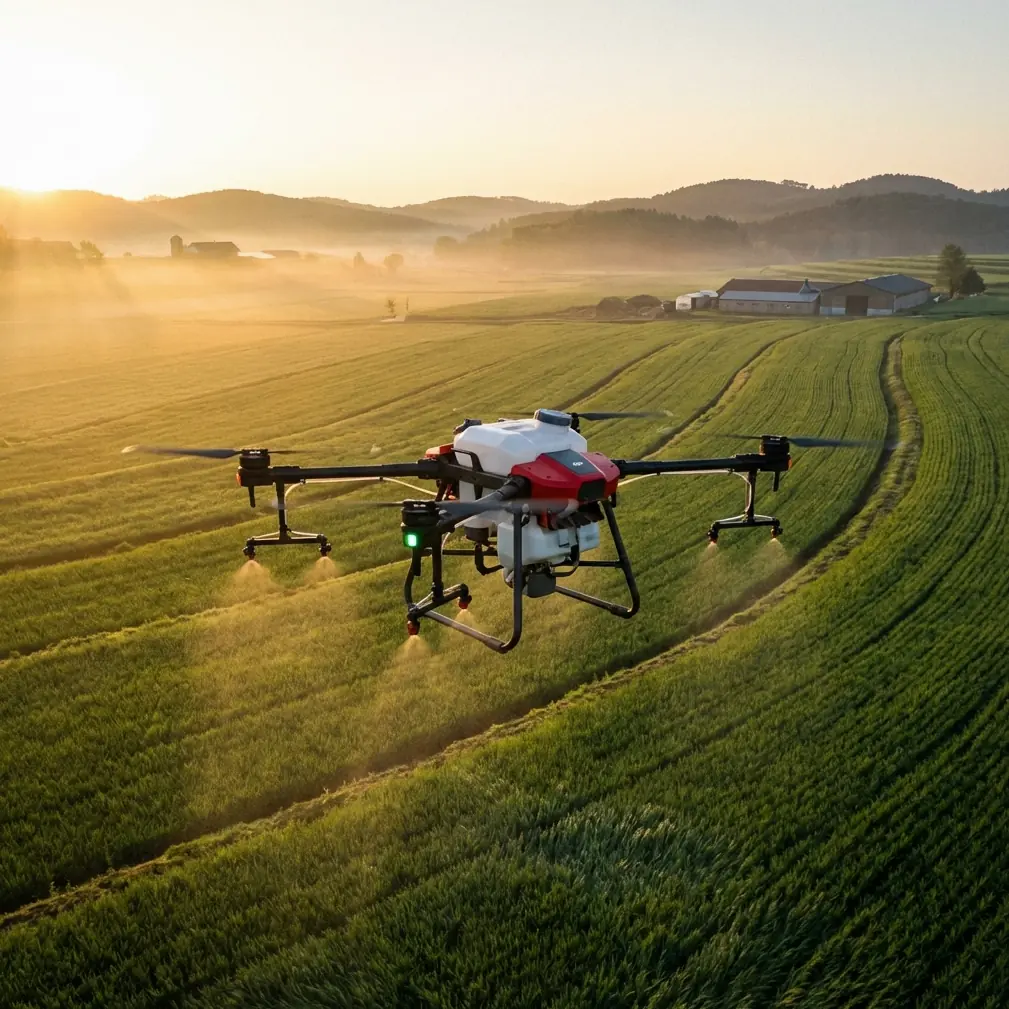
Precision Coastal Field Tracking with Agras T70P
META: Master coastal field tracking with the Agras T70P drone. Learn expert calibration techniques, RTK setup, and spray optimization for challenging seaside conditions.
TL;DR
- RTK Fix rate above 95% ensures centimeter precision tracking across salt-affected coastal terrain
- IPX6K rating protects critical systems during high-humidity operations near shorelines
- Optimized swath width of 11 meters reduces overlap waste in irregular coastal field patterns
- Multispectral integration identifies salt stress zones before visible crop damage occurs
Why Coastal Field Tracking Demands Specialized Drone Technology
Coastal agricultural operations face unique challenges that inland farms never encounter. Salt spray accumulation, unpredictable wind patterns, and rapidly shifting humidity levels create an environment where standard drone operations fail consistently.
The Agras T70P addresses these challenges through engineering specifically designed for harsh environmental conditions. During a recent tracking operation along the Carolina coast, the drone's obstacle avoidance sensors detected and navigated around a flock of brown pelicans diving for fish—demonstrating the sophisticated environmental awareness that prevents both wildlife harm and equipment damage.
This guide walks you through the complete process of setting up, calibrating, and operating the Agras T70P for coastal field tracking applications.
Understanding the Agras T70P Core Specifications
Before diving into operational procedures, understanding the technical foundation ensures you maximize the platform's capabilities.
Flight Performance Parameters
The Agras T70P delivers specifications that matter for coastal work:
- Maximum payload capacity: 70 kg for extended spray operations
- Flight time: 11 minutes at full payload
- Operating wind resistance: up to 8 m/s critical for coastal gusts
- Spray flow rate: 0-24 L/min with precision control
Environmental Protection Standards
The IPX6K ingress protection rating means the drone withstands powerful water jets from any direction. Coastal morning dew, unexpected rain squalls, and salt mist won't compromise internal electronics.
This protection extends to the motor assemblies, flight controller housing, and battery compartments—every critical system maintains operational integrity in conditions that would ground lesser equipment.
Step 1: Pre-Flight RTK Base Station Configuration
Achieving centimeter precision in coastal environments requires meticulous RTK setup. The Agras T70P's positioning system depends on proper base station placement and configuration.
Optimal Base Station Positioning
Select a base station location that meets these criteria:
- Minimum 15 meters from any vertical obstruction
- Clear southern sky view (northern hemisphere operations)
- Stable ground surface that won't shift during operations
- Away from reflective surfaces including water bodies and metal structures
Expert Insight: Coastal operations often suffer from multipath interference caused by water reflection. Position your base station at least 50 meters inland from the waterline to minimize signal degradation that tanks your RTK Fix rate.
Achieving Consistent RTK Fix Rate
Your target is maintaining RTK Fix rate above 95% throughout the tracking mission. Lower rates introduce positioning errors that compound across large field areas.
Monitor these indicators during initialization:
- Satellite count should exceed 18 satellites for coastal reliability
- PDOP (Position Dilution of Precision) below 2.0
- Age of differential corrections under 1 second
Step 2: Nozzle Calibration for Coastal Conditions
Spray drift represents the primary challenge in coastal agricultural applications. Wind patterns near shorelines shift rapidly, and improper nozzle calibration wastes product while risking environmental contamination.
Selecting Appropriate Nozzle Configuration
The Agras T70P supports multiple nozzle arrangements. For coastal tracking and treatment operations, consider these configurations:
| Condition | Nozzle Type | Droplet Size | Flow Rate |
|---|---|---|---|
| Calm (<3 m/s wind) | Standard flat fan | Fine (150-250 μm) | 18-24 L/min |
| Moderate (3-5 m/s) | Air induction | Medium (250-350 μm) | 12-18 L/min |
| Gusty (5-8 m/s) | Low-drift | Coarse (350-450 μm) | 8-12 L/min |
Calibration Procedure
Execute this calibration sequence before each coastal operation:
- Fill the tank with clean water to 50% capacity
- Engage the spray system at medium pressure setting
- Measure output from each nozzle over 30 seconds
- Variation between nozzles should not exceed 5%
- Replace any nozzle showing wear patterns or inconsistent output
Pro Tip: Salt accumulation clogs nozzles faster than freshwater operations. Implement a post-flight freshwater flush lasting at least 60 seconds through the entire spray system. This single habit extends nozzle life by approximately 300% in coastal environments.
Step 3: Multispectral Sensor Integration for Field Tracking
The Agras T70P's compatibility with multispectral imaging systems transforms basic spraying operations into precision agriculture platforms.
Understanding Spectral Bands for Coastal Crop Stress
Salt stress manifests in vegetation before visible symptoms appear. Multispectral sensors detect these early indicators through specific wavelength analysis:
- Red Edge (705-745 nm): Chlorophyll content changes indicating early stress
- NIR (770-810 nm): Cell structure alterations from salt uptake
- Red (650-680 nm): Photosynthetic efficiency reduction
Creating Prescription Maps from Multispectral Data
The tracking workflow follows this sequence:
- Conduct initial survey flight at 30 meters AGL with multispectral payload
- Process imagery to generate NDVI and NDRE indices
- Identify zones showing stress values below 0.6 NDVI
- Create variable rate prescription maps
- Upload prescription to Agras T70P controller
- Execute treatment flight with automatic rate adjustment
This approach reduces input costs by 25-40% while improving treatment efficacy in stressed zones.
Step 4: Swath Width Optimization for Irregular Coastal Fields
Coastal fields rarely present the rectangular boundaries that simplify flight planning. Tidal influence, erosion patterns, and natural vegetation buffers create irregular shapes requiring careful swath width management.
Calculating Effective Swath Width
The Agras T70P's 11-meter maximum swath width provides excellent coverage efficiency. However, coastal wind conditions often require adjustments:
- Reduce swath width by 15% when operating perpendicular to prevailing wind
- Maintain full width when flying parallel to wind direction
- Account for 10% overlap minimum to prevent untreated strips
Flight Path Planning for Irregular Boundaries
Use these strategies for complex coastal field shapes:
- Generate boundary maps using RTK-enabled ground survey
- Set 3-meter buffer zones from water features and natural areas
- Plan flight lines parallel to the longest field dimension
- Configure automatic turns to occur over non-sensitive areas
Technical Comparison: Agras T70P vs. Alternative Platforms
| Specification | Agras T70P | Competitor A | Competitor B |
|---|---|---|---|
| Payload Capacity | 70 kg | 50 kg | 40 kg |
| Swath Width | 11 m | 8 m | 7 m |
| RTK Accuracy | ±2 cm | ±5 cm | ±10 cm |
| Wind Resistance | 8 m/s | 6 m/s | 5 m/s |
| IP Rating | IPX6K | IPX5 | IPX4 |
| Flight Time (Full Load) | 11 min | 8 min | 10 min |
| Nozzle Count | 16 | 8 | 6 |
The performance advantages become particularly significant in coastal environments where weather conditions push equipment to operational limits.
Common Mistakes to Avoid
Ignoring Salt Corrosion Prevention
Many operators treat coastal drones identically to inland equipment. Salt accumulation accelerates corrosion on electrical connections, motor bearings, and structural components. Implement freshwater rinse protocols after every coastal operation.
Underestimating Wind Gradient Effects
Wind speed at ground level differs significantly from conditions at 10-15 meters AGL where the Agras T70P operates. Always verify wind conditions at operating altitude, not just surface measurements.
Neglecting Tide Schedule Coordination
Coastal field accessibility changes with tidal cycles. Plan operations during low tide windows when field boundaries are clearly defined and ground crew access remains unobstructed.
Skipping Pre-Flight Sensor Verification
Humidity and salt exposure degrade sensor accuracy over time. Verify RTK Fix rate, obstacle avoidance functionality, and spray system calibration before every flight—not just periodically.
Operating Without Backup Communication
Coastal areas frequently have cellular dead zones. Establish redundant communication protocols between pilot and ground crew using radio systems that don't depend on cellular infrastructure.
Frequently Asked Questions
How does salt air affect the Agras T70P's long-term reliability?
The IPX6K rating and corrosion-resistant materials provide substantial protection, but proactive maintenance remains essential. Operators in coastal environments should schedule professional inspections every 100 flight hours rather than the standard 200-hour interval. Focus inspection attention on motor bearings, electrical connectors, and spray system seals where salt accumulation causes accelerated wear.
What RTK Fix rate is acceptable for precision coastal tracking?
Target 95% RTK Fix rate minimum for applications requiring centimeter precision. Rates between 90-95% remain acceptable for general spraying operations where slight positioning variations don't significantly impact results. Below 90%, postpone operations until satellite geometry improves or troubleshoot base station positioning issues.
Can the Agras T70P operate during light rain common in coastal areas?
Yes, the IPX6K protection rating allows operation in rain conditions that would ground most agricultural drones. However, rain affects spray efficacy by diluting applications and washing product from leaf surfaces. Best practice reserves rain-capable operation for urgent situations rather than routine applications.
Maximizing Your Coastal Tracking Investment
The Agras T70P represents a significant capability upgrade for coastal agricultural operations. Its combination of payload capacity, environmental protection, and precision positioning addresses the specific challenges that make seaside farming uniquely demanding.
Success depends on understanding both the technology's capabilities and its operational requirements. The calibration procedures, maintenance protocols, and flight planning strategies outlined here provide the foundation for reliable, efficient coastal field tracking.
Consistent application of these techniques transforms the Agras T70P from expensive equipment into a genuine productivity multiplier for coastal agricultural operations.
Ready for your own Agras T70P? Contact our team for expert consultation.