
Agras T70P in Extreme-Temperature Site Work
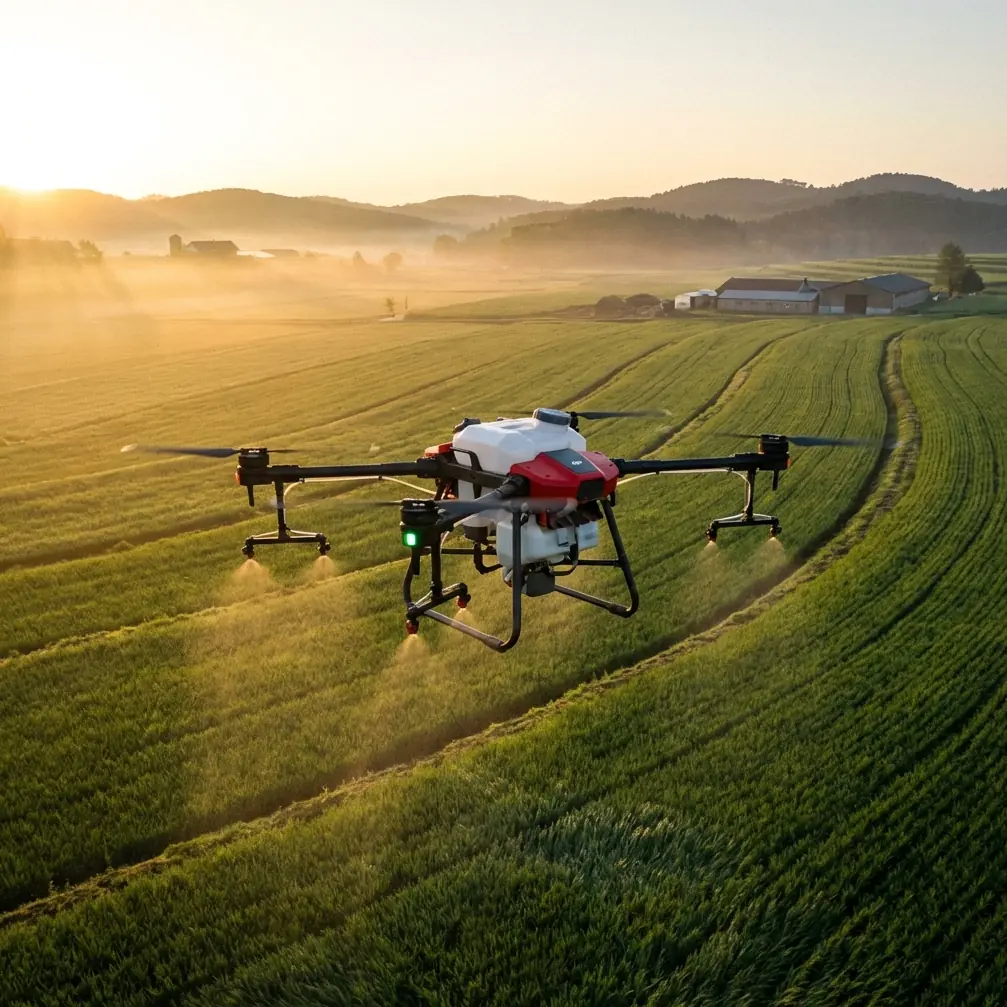
Agras T70P in Extreme-Temperature Site Work: A Technical Review Grounded in Real Field Constraints
META: A practical expert review of the Agras T70P for extreme-temperature field operations, covering workflow planning, operator compliance, EMI handling, RTK stability, spray-system discipline, and site execution.
Most articles about the Agras T70P treat it like a spec sheet with propellers. That misses the point.
A machine like this only proves its value when the environment gets hostile: reflective concrete, rebar-heavy structures, dust, heat shimmer, winter battery stress, and electromagnetic noise around temporary power infrastructure. If the reader’s real-world use case is construction-site surveying in extreme temperatures, then the right question is not whether the Agras T70P is “advanced.” The question is whether it can be deployed with repeatable precision, under pressure, with a workflow that survives reality.
That is where this review starts.
Even though the Agras line is known first for agricultural work, the best way to understand the T70P’s discipline is to look at the operating logic behind professional drone field teams. One reference on plant-protection service workflow makes a crucial point: a drone operation is never just about the aircraft. Before any mission begins, the team has to define crop type, work area, terrain, treatment window, chemical type, and special requirements. Translate that to a construction site and the parallel is obvious. You still begin with task definition: site boundaries, elevation changes, steel density, GNSS visibility, interference zones, thermal conditions, turnaround time, and payload objective.
That planning mindset matters more than most buyers realize.
Why the T70P conversation changes on extreme-temperature sites
Construction sites punish assumptions. In midsummer, baked surfaces distort the air column and can degrade visual judgment during low-altitude passes. In winter, battery behavior and handling discipline become more important than brochure performance. Add cranes, generators, fencing, containers, and unfinished structures, and you get an environment where signal integrity and workflow consistency matter as much as raw aircraft capability.
For the Agras T70P, that means two things stand out immediately.
First, centimeter-level positioning is only meaningful if the RTK fix rate stays stable when the site gets noisy. Second, spray-platform habits like nozzle calibration and drift awareness are surprisingly relevant even when the mission is not pure crop application. They reveal whether the operator understands controlled output, path discipline, and environmental compensation. A pilot who ignores drift and calibration in one mission type often ignores overlap quality, speed discipline, and altitude consistency in another.
The aircraft can be robust. The operation still has to be smarter than the site.
The hidden lesson from agricultural workflow: throughput is a planning problem
One of the most useful reference details is brutally practical: plant-protection drone efficiency can range from 200 to 600 mu per day depending on terrain. The number itself belongs to agricultural work, but the operational lesson transfers perfectly to the T70P on industrial sites. Productivity is terrain-dependent, not theoretical.
On a clean open parcel, one set of flight assumptions may hold. On a construction site broken by vertical obstacles, material stacks, temporary roads, and staging areas, your effective productivity falls fast. That is why experienced teams do not build schedules around ideal speeds. They build around interruptions.
The same source gives another concrete planning example: a 2,500 mu task with a 5-day treatment window and a conservative 300 mu per day per aircraft output requires two aircraft to stay inside the biological deadline. Again, the crop numbers are not the point here. The logic is. If your site deliverable has a hard deadline, one drone may be operationally insufficient even if it appears technically capable. Extreme temperature operations magnify this further because batteries may need more careful rotation, crews work more slowly in heat stress or cold PPE, and midday conditions can force selective flight windows.
In other words, the T70P should be judged as part of a system: aircraft, batteries, charging strategy, pilot fatigue management, and field logistics.
That is the kind of assessment real contractors need.
Operator compliance is not background noise
The regulatory reference is easy to overlook, but it carries real weight. The civil drone pilot management regulation cited a 2015 revision tied to the release of the light and small UAV operating rules, and that revision did three things that matter in practice: it reclassified UAV categories and definitions, added a management filing system, and removed some previous operating requirements. It also states that the earlier 2013 temporary regulation was repealed when the revised circular took effect.
Why bring that up in a T70P review?
Because larger professional UAV operations do not live or die on airframe capability alone. They depend on whether the operator’s management structure, documentation, and pilot status can stand up to scrutiny. On a construction site, especially one involving major contractors or multiple subcontractors, compliance is operational credibility. If the aircraft is entering a controlled work environment with safety officers, schedule managers, and insurance constraints, “we know how to fly” is not enough. Teams need clear pilot management, traceable procedures, and proper role definition.
This is especially relevant for the T70P because it tends to attract users with serious workload expectations, not casual weekend use.
Electromagnetic interference: where a disciplined setup beats blind confidence
Let’s get specific.
The most common field mistake I see around heavy construction is assuming RTK instability is a software problem. Often it is not. It is local electromagnetic interference, poor antenna orientation, partial masking, or a bad placement decision made in a hurry.
If you are working with the Agras T70P near site offices, temporary substations, communications equipment, or steel-dense structures, antenna adjustment can change the day. Not in a dramatic marketing-video way. In a measured, practical one. Move the base or relay position away from generator banks. Raise the antenna above nearby clutter. Separate it from reflective metal surfaces. Recheck line-of-sight. Rotate placement if a persistent dead sector appears in the fix pattern. Watch whether your RTK fix rate improves after each change rather than changing everything at once and guessing.
This matters because centimeter precision is never just a receiver feature. It is the result of environment, geometry, and setup discipline. A T70P that performs beautifully in an open field can become inconsistent if the operator treats EMI like an afterthought.
When I say “handle EMI with antenna adjustment,” I do not mean improvisation. I mean controlled troubleshooting:
- identify the interference zone,
- relocate or elevate the antenna position,
- confirm fix recovery,
- then resume the mission.
That workflow is simple, but it separates dependable data capture from a long afternoon of chasing phantom errors.
What spray-drone habits reveal about survey quality
It may seem odd to discuss spray drift and nozzle calibration in an article framed around site surveying. Stay with me.
A professional Agras operator learns very early that output quality depends on setup quality. In the agricultural reference, there is a direct warning about powder formulations: because plant-protection drones can save about 90% of water compared with manual application, powder products may not dissolve adequately and can clog the spray system, reducing both efficiency and treatment effect.
Operationally, that is a lesson in system compatibility. If the medium, environment, and equipment are mismatched, the mission suffers. On a construction site, the analog is payload and mission profile matching. If your survey objective, flight altitude, overlap plan, and positioning conditions are mismatched, you get incomplete coverage, weak reconstruction, or positional drift. Different mission, same rule.
Nozzle calibration also matters as a proxy for operator discipline. A pilot who calibrates nozzles correctly understands that small output errors accumulate across the swath. That same mindset improves corridor planning, swath width judgment, edge control, and overlap consistency in site mapping or progress documentation. Spray drift awareness also has a parallel in imaging and sensing: environmental movement changes outcomes. In spraying, it shifts droplets. In surveying, it affects stability, repeatability, and data confidence.
The T70P deserves operators who think this way.
Redundancy is not luxury in harsh conditions
Another excellent field detail from the reference is the “2 flying, 1 backup” principle used in plant-protection operations. The reason is straightforward: time-sensitive work in rough field conditions leaves little room for aircraft downtime.
That principle translates surprisingly well to construction and industrial deployment. On extreme-temperature sites, a backup aircraft or at least backup critical components is not overprepared. It is sensible risk management. Heat can expose latent component issues. Cold can slow turnaround. Dust ingress, connector fatigue, and transport knocks happen more often than teams admit. If the site deadline is real, backup planning is part of the mission, not an add-on.
For the Agras T70P, this has two operational implications:
- mission plans should assume interruptions rather than pretending they will not happen;
- support equipment matters nearly as much as the aircraft.
That includes spare batteries, charging infrastructure, shade or thermal protection strategy, maintenance consumables, and a clean staging routine.
Ruggedness only pays off if the workflow is equally rugged
Features like high ingress protection and strong positioning are valuable, but they are often misunderstood. An IPX6K-style protection mindset, for example, should not make teams careless. It should let them operate with confidence in messy environments while still respecting inspection discipline after every sortie. Dust, mud splash, and site grime are facts of life. Rugged sealing helps. It does not eliminate the need for cleaning, connector checks, and post-flight inspection.
The same goes for RTK and centimeter precision. Those capabilities improve repeatability only when the crew protects the conditions needed to maintain them. If the site introduces EMI and the pilot refuses to revisit antenna placement, the number on the brochure stops meaning much.
This is why I view the T70P less as a “smart drone” and more as a field platform that rewards structured operators.
A realistic deployment profile for the Agras T70P
If I were evaluating the T70P for a contractor running high-temperature summer progress checks and cold-weather site verification, I would score it on five things:
1. Setup resilience
How quickly can the crew establish a stable RTK environment when surrounded by steel and temporary electrical infrastructure?
2. Turnaround discipline
Can batteries, payload checks, and route adjustments happen without the site descending into improvisation?
3. Environmental compensation
Does the crew adjust for heat shimmer, wind, dust, and cold-related battery behavior rather than pretending every sortie is identical?
4. Output consistency
Can the team maintain repeatable swath width, altitude control, and positioning quality across multiple sorties in changing site conditions?
5. Operational governance
Are pilot credentials, management responsibility, and documentation aligned with current civil UAV management expectations?
If the answer is yes across those categories, the T70P becomes much more than an aircraft. It becomes a dependable field asset.
The real takeaway
The most useful thing in the source material was not a single feature. It was a mindset.
One source described a photographer needing a year to become fluent with manual controls like ISO, shutter, EV, and white balance. That same learning curve exists in professional UAV work. People new to advanced drone operations often want one-button certainty. But high-quality output usually comes from controlled adjustment, not blind automation. Another source showed that serious drone teams plan around terrain, work windows, chemical compatibility, crew structure, and backup capacity. The regulation source reinforced that the operator framework matters too, not just the machine.
That combination is the right lens for evaluating the Agras T70P.
In extreme-temperature construction-site work, success comes from disciplined configuration, stable RTK behavior, sensible antenna adjustment under EMI, strong operator management, and logistics built for interruption. The aircraft matters. The operation matters more.
If you are assessing the T70P for that kind of environment and want to compare deployment methods, field setup choices, or EMI troubleshooting approaches, you can continue the conversation here: message Marcus directly.
Ready for your own Agras T70P? Contact our team for expert consultation.