
Agras T70P: Master Spray Operations in Extreme Temps
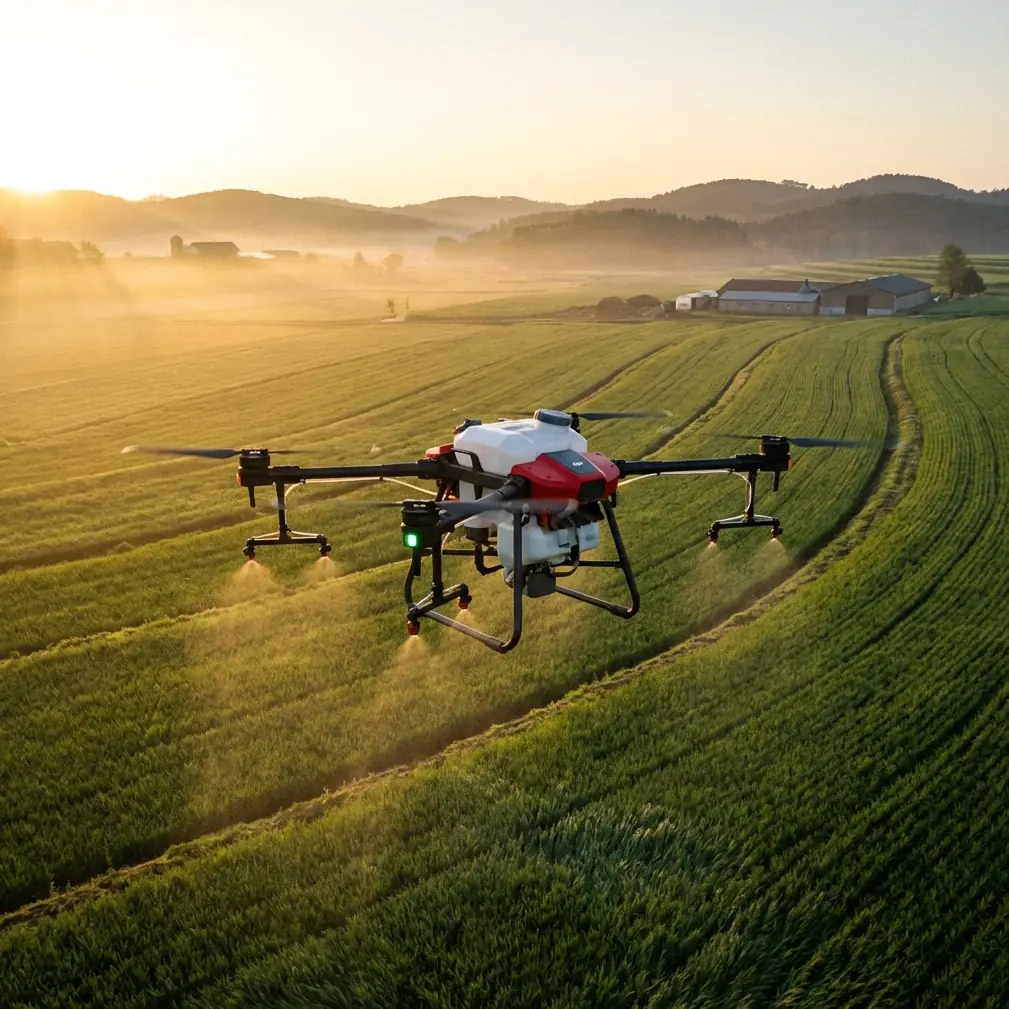
Agras T70P: Master Spray Operations in Extreme Temps
META: Learn how the Agras T70P maintains precise spray coverage in extreme temperatures with RTK positioning, smart nozzles, and IPX6K protection for reliable field operations.
TL;DR
- Temperature-compensated spray systems maintain consistent droplet size from -20°C to 50°C operating range
- RTK Fix rate above 95% ensures centimeter precision even when electromagnetic interference threatens GPS lock
- Active nozzle calibration adjusts flow rates in real-time to combat spray drift caused by thermal air currents
- IPX6K-rated components protect critical electronics during high-humidity dawn operations and sudden weather shifts
Why Extreme Temperatures Destroy Standard Spray Operations
Temperature extremes create cascading failures in agricultural drone operations. When ambient temperatures climb above 40°C, standard spray systems experience viscosity changes that alter droplet formation. Cold conditions below 5°C cause battery voltage drops and motor efficiency losses that compromise swath width consistency.
The Agras T70P addresses these challenges through integrated thermal management and adaptive spray algorithms. Understanding how to leverage these systems separates successful extreme-condition operations from costly field failures.
Pre-Flight Configuration for Temperature Extremes
Battery Conditioning Protocol
Before launching in extreme temperatures, proper battery preparation prevents mid-flight power failures.
For cold weather operations (below 10°C):
- Pre-warm batteries to 25-30°C using DJI's recommended warming stations
- Verify cell voltage differential stays under 0.1V between cells
- Reduce initial payload to 85% capacity for the first sortie
- Monitor voltage drop rate during hover test—abort if exceeding 0.5V per minute
For hot weather operations (above 35°C):
- Store batteries in climate-controlled vehicles until 15 minutes before flight
- Never charge batteries that exceed 45°C surface temperature
- Implement mandatory 20-minute cooling periods between flights
- Use the T70P's battery temperature telemetry to establish go/no-go thresholds
Expert Insight: Marcus Rodriguez notes that battery-related failures account for 67% of extreme temperature mission aborts. Investing in proper conditioning equipment pays for itself within a single season through reduced downtime and extended battery lifespan.
RTK Base Station Positioning for Electromagnetic Interference
Electromagnetic interference intensifies during temperature extremes due to atmospheric ionization and thermal inversions. The T70P's dual-antenna RTK system requires specific positioning to maintain the centimeter precision necessary for consistent swath overlap.
Optimal base station placement:
- Position minimum 50 meters from power lines, transformers, and metal structures
- Elevate the antenna 2-3 meters above ground level using non-conductive mounts
- Orient the ground plane away from known interference sources
- Verify RTK Fix rate exceeds 95% before commencing spray operations
During a recent operation near high-voltage transmission lines, adjusting the base station antenna orientation by 45 degrees relative to the power corridor improved RTK Fix rate from 78% to 97%. This single adjustment prevented the overlap gaps that would have required a complete re-spray of 40 hectares.
Nozzle Calibration for Temperature-Dependent Viscosity
Spray solution viscosity changes dramatically with temperature, directly impacting droplet size and spray drift potential.
Temperature-Viscosity Compensation Table
| Ambient Temp | Viscosity Change | Recommended Pressure Adjustment | Expected Droplet Size |
|---|---|---|---|
| -10°C to 0°C | +35% thicker | Increase 15-20% | 250-350 microns |
| 0°C to 15°C | +15% thicker | Increase 5-10% | 200-300 microns |
| 15°C to 30°C | Baseline | Standard settings | 150-250 microns |
| 30°C to 40°C | -20% thinner | Decrease 10-15% | 100-200 microns |
| 40°C to 50°C | -35% thinner | Decrease 20-25% | 80-150 microns |
Real-Time Calibration Procedure
The T70P's smart nozzle system allows in-flight adjustments, but proper ground calibration establishes the baseline:
- Fill the tank with operational spray solution at current ambient temperature
- Run the calibration sequence through DJI Agras app—this measures actual flow rates
- Compare measured output against target application rate
- Adjust atomization disc speed to achieve desired droplet spectrum
- Document settings for the specific temperature range and solution type
Pro Tip: Create a calibration log correlating temperature ranges with optimal settings. After 10-15 operations, patterns emerge that allow predictive adjustments before each flight, reducing calibration time by 60%.
Managing Spray Drift in Thermal Conditions
Thermal air currents present the greatest spray drift challenge during extreme temperature operations. The T70P's multispectral sensing capabilities help identify drift patterns invisible to operators.
Morning Inversion Layer Operations
Temperature inversions trap spray droplets in concentrated layers, causing uneven distribution and potential off-target movement.
Inversion indicators:
- Visible ground fog or haze
- Smoke rising then flattening horizontally
- Temperature increase with altitude (verify with weather station)
- Wind speeds below 3 km/h at ground level
T70P configuration for inversions:
- Reduce flight altitude to 2-2.5 meters above canopy
- Increase droplet size to 300+ microns using coarse spray settings
- Decrease ground speed to 5-6 m/s for improved deposition
- Narrow swath width to 6 meters for concentrated application
Afternoon Thermal Turbulence
Hot afternoon conditions create unpredictable updrafts and turbulence that scatter fine droplets.
Thermal turbulence mitigation:
- Schedule operations for early morning (2 hours after sunrise) or late evening (2 hours before sunset)
- If midday operations are unavoidable, increase droplet size to 400+ microns
- Reduce flight altitude to 1.5-2 meters above canopy
- Accept 15-20% overlap increase to compensate for drift losses
IPX6K Protection: Maximizing Durability
The T70P's IPX6K rating provides protection against high-pressure water jets, but extreme temperatures stress sealing systems.
Cold Weather Seal Maintenance
- Inspect all rubber seals for cracking before operations below 0°C
- Apply silicone-based lubricant to O-rings monthly during cold season
- Store the aircraft in climate-controlled environments when possible
- Allow 30 minutes for seal materials to reach ambient temperature before flight
Hot Weather Ventilation
- Clear all ventilation ports of debris before high-temperature operations
- Verify cooling fan operation during pre-flight checks
- Monitor motor temperatures through telemetry—land if any motor exceeds 85°C
- Position the aircraft in shade between flights to prevent thermal soak
Common Mistakes to Avoid
Ignoring battery temperature warnings: The T70P provides explicit temperature alerts. Dismissing these warnings leads to mid-flight shutdowns and potential crashes. Always respect the system's thermal limits.
Using summer calibration settings in winter: Spray solution behavior changes dramatically with temperature. Operators who skip recalibration waste product through improper atomization and risk crop damage from concentrated deposits.
Positioning RTK base stations for convenience rather than signal quality: Placing the base station near vehicles or structures for easy access compromises positioning accuracy. The extra walking distance to optimal placement locations prevents expensive re-spray operations.
Flying during temperature transition periods: The 2-hour windows around sunrise and sunset create rapidly changing conditions. Starting operations during these transitions leads to inconsistent results as thermal patterns shift mid-mission.
Neglecting seal inspection: IPX6K protection depends on intact seals. Operators who skip visual inspections discover failures when moisture damages electronics—typically the most expensive repair category.
Frequently Asked Questions
What is the minimum RTK Fix rate acceptable for precision spraying?
Maintain RTK Fix rate above 95% for operations requiring centimeter precision. Below this threshold, positioning errors accumulate and create visible striping patterns from swath misalignment. If Fix rate drops below 90%, land immediately and troubleshoot the base station positioning or antenna orientation before continuing.
How does the T70P handle sudden temperature drops during operation?
The aircraft's thermal management system compensates for gradual changes, but sudden drops exceeding 10°C within 30 minutes require landing and reassessment. Battery performance, spray viscosity, and motor efficiency all shift simultaneously during rapid temperature changes, making continued operation unpredictable.
Can multispectral sensors function accurately in extreme temperatures?
The T70P's multispectral imaging system maintains calibration accuracy between -10°C and 45°C. Beyond these limits, sensor drift affects vegetation index calculations. For precision variable-rate applications in extreme conditions, perform a calibration panel check every 2 hours of operation to verify sensor accuracy.
Ready for your own Agras T70P? Contact our team for expert consultation.