
Agras T70P Guide for Dusty Coastline Spraying: The Pre
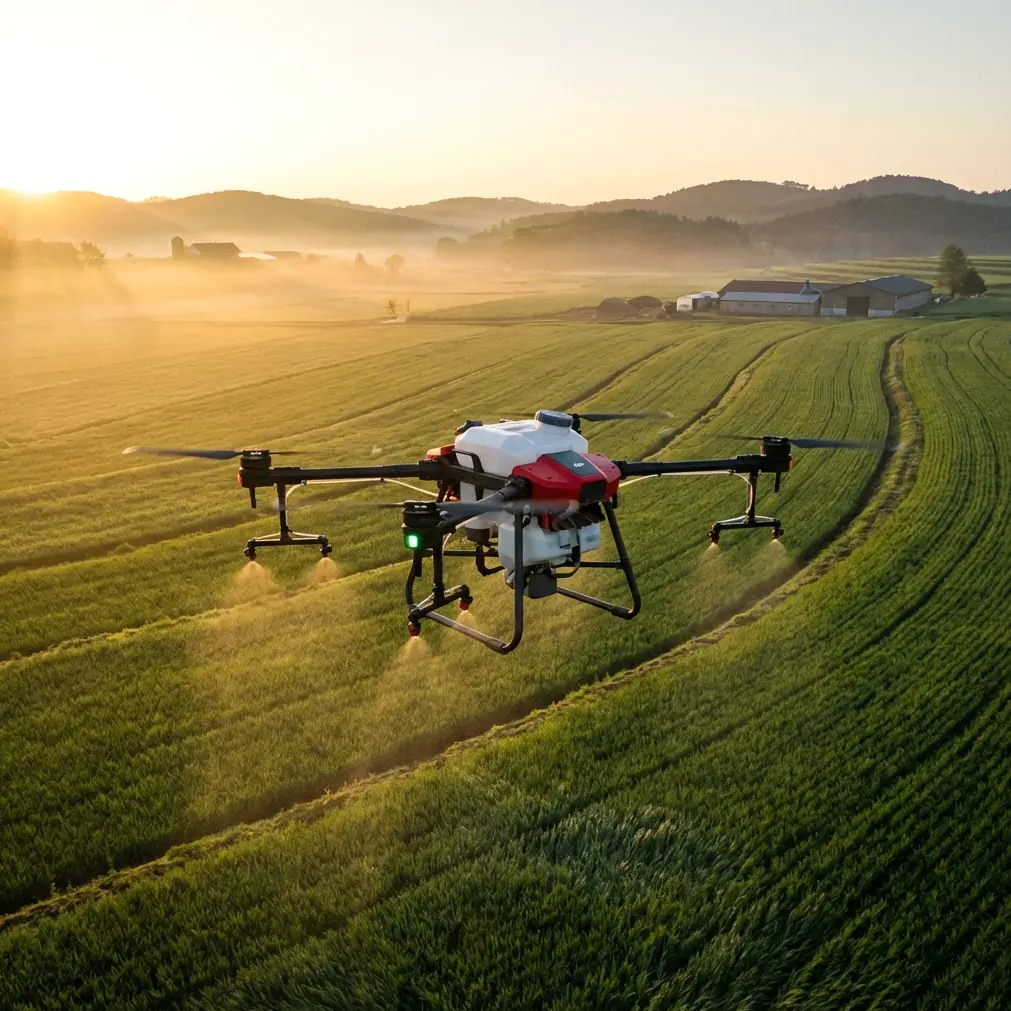
Agras T70P Guide for Dusty Coastline Spraying: The Pre-Flight Cleaning Step That Protects Accuracy
META: Learn how to prepare an Agras T70P for dusty coastline spraying, with practical guidance on pre-flight cleaning, spray drift control, nozzle consistency, RTK reliability, and obstacle-response awareness.
Dusty coastline work exposes an agricultural spray drone to a rough combination of salt, fine particulates, glare, wind shifts, and residue buildup. If you are planning to run an Agras T70P in that environment, the most useful advice is not glamorous. It starts before the batteries go in, before route planning, before the first tank mix.
Clean the aircraft properly.
Not for appearance. For function.
On a coastline, the drone is constantly dealing with suspended grit and sticky saline moisture. That contamination can interfere with the very systems operators rely on when they need steady swath width, repeatable nozzle performance, and dependable terrain-following or positioning behavior. A T70P may be built for demanding field conditions, but demanding conditions punish sloppy preparation.
This article focuses on one operational habit that has an outsized effect on safety and spraying quality: a disciplined pre-flight cleaning step, especially around sensing surfaces, spray hardware, and positioning-related components.
Why coastline spraying punishes small mistakes
Dust inland is one thing. Dust mixed with salt is another.
Near the coast, particles cling. They cake around creases, settle on exposed surfaces, and dry into thin films that are easy to miss in harsh light. Add sea breeze variability, reflective water nearby, and uneven vegetation patterns, and the margin for error narrows fast.
For an Agras T70P operator, that shows up in familiar ways:
- spray drift becomes harder to predict
- nozzle output can become less uniform
- obstacle-response features may lose consistency if sensing surfaces are dirty
- RTK fix stability can suffer if connectors, antennas, or related hardware are neglected
- turnaround efficiency drops because small issues turn into mid-mission interruptions
A dusty coastline does not usually cause one dramatic failure. More often, it degrades performance by degrees. The aircraft still flies. The job still gets done. But coverage quality slips, overlap increases, misses appear at field edges, and operators start compensating manually for problems that should have been prevented on the ground.
The pre-flight cleaning step that matters most
Before every coastline spraying session, inspect and clean five zones on the T70P:
- Obstacle and sensing surfaces
- Nozzles and spray lines
- Tank sealing areas and fill points
- Arms, motors, and landing structure
- RTK and signal-related exterior components
This is not a deep workshop service. It is a field-ready prep routine designed to preserve operational reliability.
1) Clean sensing surfaces first
If your aircraft uses visual, radar, or other proximity-related systems, dirty sensing areas can distort what the drone “sees” or how confidently it interprets the environment.
That matters more than many operators realize.
A reference training document on UAV wall-contact behavior showed that when a drone was backing up normally with a stick input of -30, its pitch angle stayed near 0°. But when it reached a flat vertical wall, the pitch angle rose sharply to around 12°. The same material suggested a simple protection logic: when pitch exceeds 6°, treat that as contact and command the aircraft forward for 0.5 seconds before hover.
Those numbers come from an educational platform, not the Agras T70P specifically, but the operational lesson is universal: aircraft response near obstacles depends on clean sensing, stable control interpretation, and reliable detection of abnormal attitude changes. In a dusty coastline environment, grime on sensor covers or relevant surfaces can delay or confuse the chain of events that tells the aircraft something is wrong.
For a spray drone working near seawalls, windbreak fencing, storage buildings, tree lines, or embankments, that is operationally significant. You do not want the first sign of a detection problem to be a physical contact event.
Field habit: use a clean, non-abrasive cloth and approved cleaning method to remove salt film, dust haze, and dried droplets from all sensing windows and exposed detection surfaces before each sortie block.
Why this is really about spraying quality, not just impact avoidance
Obstacle awareness is often treated as a pure safety feature. On a spraying drone, it also affects job quality.
When the aircraft hesitates unexpectedly, adjusts pathing, or transitions less smoothly around a boundary, your application pattern can change. That can alter effective swath width, increase overlap, and introduce inconsistency in edge rows. In a coastal breeze, those small deviations can translate into visible over-application or under-coverage.
The cleaner the sensing surfaces, the less guesswork you force into the system.
2) Nozzle calibration starts with physical cleanliness
Coastline spraying usually means one more challenge: airborne dust finds its way into everything, especially around wetted components. Even if your tank mix is filtered, residue around nozzle bodies and line connections can dry unevenly and disturb spray characteristics.
That is where operators get misled. They think drift is purely a weather problem. Often it is a hardware consistency problem amplified by weather.
A partially contaminated nozzle can change droplet distribution enough to alter the pattern under crosswind. One side of the swath may look acceptable while the other feathers out. Over several passes, that becomes expensive in time and agronomic outcome even if the drone itself performs perfectly.
So before flight:
- inspect each nozzle for dried deposits
- verify that spray outlets are clear and physically matched
- check line seating and seals
- confirm even flow after cleaning and before loading for full operations
If the T70P is expected to hold a predictable swath width, nozzle cleanliness is non-negotiable. Dusty coastal work is exactly where “close enough” calibration stops being good enough.
3) Protect seals and fill areas from grit
One of the quietest ways to create trouble is by ignoring the tank rim, cap interfaces, and fill-zone contamination.
Fine dust around a sealing surface can be pulled inward during handling. That can lead to:
- contamination in the liquid system
- premature wear at sealing points
- harder-to-trace leaks or drips
- uneven spray output later in the mission
In salty air, those particles often bind into a thin abrasive paste. It only takes a little to create recurring maintenance headaches.
Wipe the fill area before opening. Wipe it again before closing. If your crew is batch-loading at the edge of a sandy or shelly track, this step becomes even more important.
4) Motors, hinges, and landing gear collect more than you think
Dusty coastline sites often involve improvised launch areas: compacted soil, gravel, dry grass, shoreline roads, or staging mats that are already coated with debris by midday. Rotor wash throws material everywhere.
That means the T70P’s lower structure and arm joints can gather buildup surprisingly fast. While a robust airframe may tolerate a lot, repeated contamination increases wear and can affect folding interfaces, landing stability, and thermal behavior around moving parts.
This is where an IPX6K-class protection mindset matters operationally. Weather resistance and washability are valuable, but they are not permission to ignore buildup. Protective design helps the aircraft survive harsh work; it does not cancel the need for regular cleaning between sorties and at day’s end.
For coastline operators, I recommend a quick post-flight wipe after each mission set and a more detailed clean before the next block if the landing zone is visibly dusty.
5) RTK reliability begins before takeoff
If you want centimeter precision, your pre-flight workflow has to support it physically, not just digitally.
Operators sometimes talk about RTK fix rate as though it is purely a satellite or base-station issue. In reality, dirty hardware, neglected mounts, salt residue on exposed components, and poor handling discipline can all undermine the consistency you need for repeatable lines.
On coastlines, precision matters for more than tidy maps. It affects:
- pass-to-pass overlap
- border control along irregular edges
- reduced retreatment
- cleaner exclusion management near sensitive zones
- more stable repeat missions over narrow treatment corridors
A dirty aircraft may still report positional confidence, but if your line discipline is the entire economic logic of drone spraying, you should remove every preventable variable before launch.
If your team wants a field checklist for preparing a T70P in these conditions, send a message here: coastline setup checklist.
The training lesson most spray teams skip
One of the more useful ideas from traditional flight training has nothing to do with electronics. It has to do with operator completeness.
A training reference on model aircraft instruction makes a sharp point: pilots often become comfortable in one direction first, then discover later that they are awkward in the other. The text argues that a “complete” operator should practice both left and right directional responses until control becomes instinctive rather than hesitant.
That matters for Agras T70P work in coastal agriculture more than many crews admit.
Why? Because coastline spraying rarely gives you symmetrical conditions. The outbound pass may face a crosswind from the water; the return pass may run against dust lifted from dry ground. One side of a boundary may include a wall, berm, greenhouse edge, or tree line. The aircraft response is one thing. Your response is another.
A crew that only feels truly comfortable correcting drift from one side, turning one preferred direction, or judging spacing from one visual angle will work slower and less cleanly. In dusty settings, that hesitation shows up in application quality.
So build training around both sides:
- left and right approach corrections
- mirrored turn habits
- equal comfort assessing spacing near vertical boundaries
- clean recovery decisions if a pass starts to deteriorate
The old aerobatic lesson is surprisingly modern: balanced skill prevents future limitations.
A practical coastline pre-flight sequence for the Agras T70P
Here is the workflow I recommend before the first mission of the day and again after any particularly dusty refill cycle.
Step 1: Stage the aircraft on the cleanest surface available
Avoid placing the T70P directly where rotor wash will immediately recycle grit into the frame. Use a mat or controlled setup zone if possible.
Step 2: Wipe sensing surfaces
Clear off dust, salt haze, and dried spray residue. Do this before powering on so self-check behavior starts from the best possible baseline.
Step 3: Inspect nozzles and outlets
Look for asymmetry, buildup, or partial blockage. A clean nozzle body is not the same as a clean spray path, so verify flow condition as part of calibration.
Step 4: Clean tank interfaces
Wipe around caps, seals, and fill points before opening and after closing. This step reduces contamination transfer into the spray system.
Step 5: Check RTK-related hardware and mounts
Confirm that components are clean, secure, and not carrying residue that could interfere with field handling or system stability.
Step 6: Inspect arms, motors, and landing gear
Remove visible grit from hinges, motor areas, and lower structure. Focus on places where dust can compact over repeated launches.
Step 7: Confirm route logic against today’s wind
On the coast, yesterday’s route is not automatically today’s route. Swath width, drift management, and pass order should reflect the actual breeze.
Step 8: Run a brief low-risk function check
Before full production spraying, confirm stable behavior, expected response, and clean output. If anything looks slightly off, stop early. Dust-related issues only get worse under load.
What this changes in the field
A disciplined cleaning routine does three things for Agras T70P operations on dusty coastlines.
First, it protects spray consistency. Clean nozzles, clean seals, and cleaner airflow around the aircraft help preserve predictable application.
Second, it supports flight stability and safer boundary behavior. The educational wall-contact data is a reminder that aircraft attitude changes can become meaningful indicators. A drone that normally backs up with pitch near 0° and jumps toward 12° at contact is telling you that subtle state changes matter. You want every sensing and control-related system reading the environment as clearly as possible before those moments occur.
Third, it improves repeatable precision. If your RTK fix rate and line quality are central to the mission, preparation is part of accuracy. Centimeter precision starts with field discipline.
The T70P is not just a platform for carrying liquid. In difficult environments, it is a coordination system: positioning, sensing, atomization, path control, and operator judgment all working at once. Dust and salt attack that coordination quietly. Cleaning restores it quietly too.
That is why the smartest coastline spray teams do not treat pre-flight cleaning as housekeeping. They treat it as part of the application system itself.
Ready for your own Agras T70P? Contact our team for expert consultation.