
Scouting Coastlines in Extreme Temperatures With the Agras T
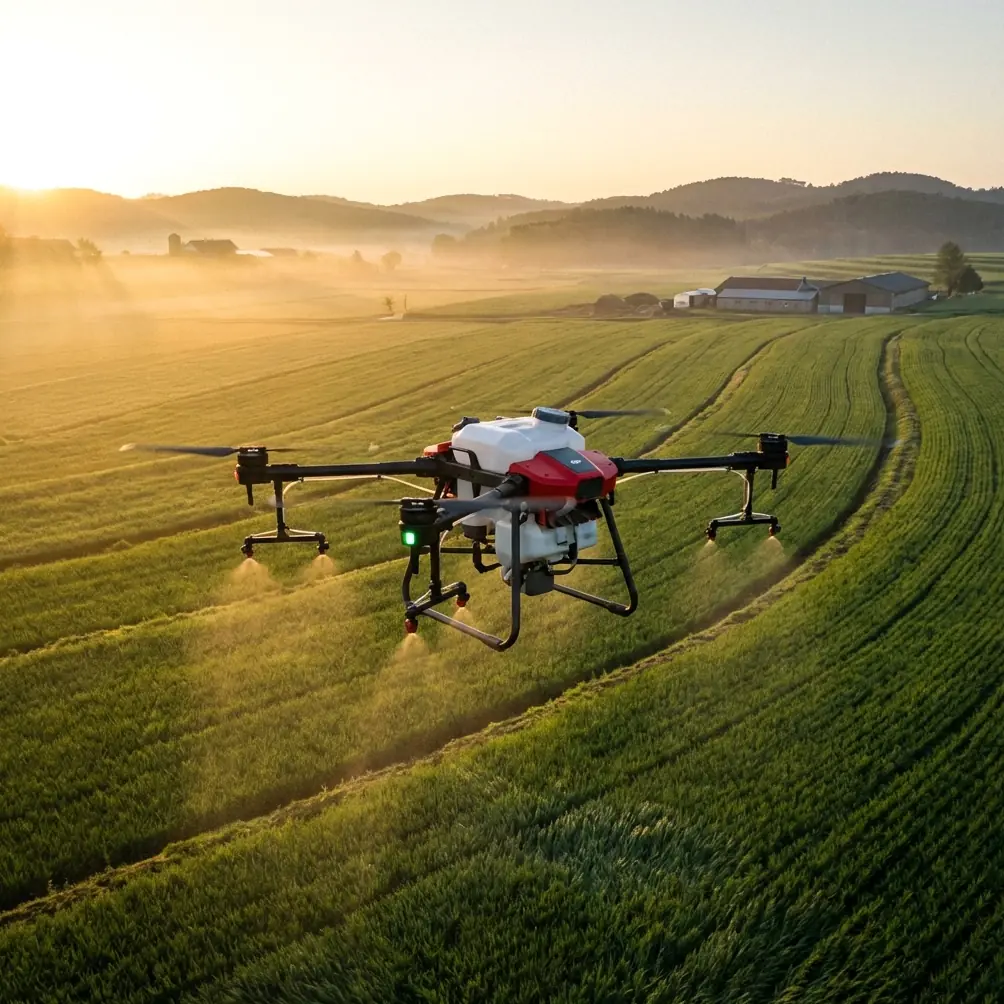
Scouting Coastlines in Extreme Temperatures With the Agras T70P: Field Setup That Actually Holds Position
META: Practical Agras T70P coastal scouting tips for extreme heat and cold, with guidance on RTK fix stability, antenna adjustment, spray drift control, nozzle calibration, and IPX6K field prep.
Coastal work exposes weaknesses fast. Salt in the air, unstable wind, wet surfaces, glare, temperature swings, and electromagnetic noise from nearby infrastructure all show up on the same mission. If you are using an Agras T70P near shorelines, especially in extreme heat or cold, the aircraft setup matters as much as the flight plan.
I have seen experienced crews prepare meticulously for payload and route, then lose efficiency because the drone never settles into a clean RTK state, or because drift near the surf line makes coverage uneven. The T70P is capable, but coastal scouting is not forgiving. You need a repeatable method for positioning, signal hygiene, and environmental compensation before you lift off.
This guide is built for that exact job: using the Agras T70P to scout coastlines when temperatures are pushing hardware and people alike.
Why coastal scouting stresses the T70P differently
A shoreline mission is rarely just a straight pass over open ground. You may be tracing marsh edges, checking dune vegetation, inspecting erosion zones, or mapping treatment areas where salt exposure changes plant response. The problem is that coastlines create overlapping operational penalties.
Wind is the obvious one, but it is only part of the picture. Coastal wind often changes direction over short distances because of dunes, bluffs, sea walls, and structures. That affects swath width consistency. If your pass spacing assumes a stable crosswind and the air starts folding back inland, your overlap can go from acceptable to sloppy within a few hundred meters.
Then there is signal environment. Harbors, radar sites, transmission lines, communication towers, and metal roofs can all contribute to electromagnetic interference. On an aircraft that depends on a stable RTK fix rate for centimeter precision, that interference can become the difference between a clean shoreline trace and an ugly data set full of inconsistencies.
The T70P is a strong platform for tough fieldwork, and its IPX6K protection class matters here. In practical terms, that rating gives operators confidence around salt spray, blowing moisture, and aggressive washdown conditions after a coastal mission. It does not make the drone invincible, and it definitely does not remove the need for post-flight cleaning, but it does mean the aircraft is built with harsh environments in mind rather than treated as a fair-weather machine.
Start with temperature, not takeoff
Extreme temperature work begins before power-up.
In cold conditions, the battery and airframe need time to equalize. Launching too quickly after moving gear from a heated vehicle into a freezing marine wind can produce sensor and power behavior that looks random but is completely predictable. Voltage sag becomes more noticeable under load, and operator reaction time slows just as the aircraft needs more deliberate inputs.
In extreme heat, the opposite problem shows up. Crews tend to rush because the weather feels stable, but electronics, batteries, and even tablets can start accumulating thermal stress before the mission begins. Coastal glare makes screens harder to read. Pilots shade the display with their body, shift stance, and accidentally change antenna orientation or line-of-sight habits without noticing. Small errors stack up.
My preference is to build a two-stage readiness check.
First, stage the aircraft, batteries, and controller out of direct exposure for a few minutes while you assess wind behavior across the actual flight area, not just the launch point. Second, confirm satellite quality and RTK behavior before loading yourself with mission pressure. If the RTK fix rate is unstable on the ground, it rarely gets better once you are focused on route execution.
Centimeter precision is not a marketing phrase in this context. Along a coastline, a few centimeters of repeatability can be the difference between revisiting the same strip correctly and drifting into a zone you intended to avoid, especially when working around sensitive vegetation boundaries or narrow treatment corridors.
Handling electromagnetic interference with antenna adjustment
This is where many shoreline teams leave performance on the table.
When operators talk about electromagnetic interference, they often treat it like bad weather: unfortunate, unavoidable, and mostly mysterious. In practice, you can frequently improve the situation with disciplined antenna positioning and site selection.
Start by walking the launch area before the first flight. Look for obvious interference sources: communication masts, reinforced concrete utility structures, rooftop equipment, parked service trucks with active radios, and long metal fencing. Even if the aircraft can fly from that position, do not assume it should.
If your controller link or RTK corrections seem inconsistent, move the control position before you touch the route plan. A shift of even 10 to 20 meters can change the local noise environment enough to stabilize the connection. That is not theory. It is a routine field fix.
Then adjust the controller antennas deliberately. Do not point the antenna tips directly at the aircraft. Maintain the broadside orientation that gives the radio link the strongest geometry relative to the drone’s working position. When the T70P is running a coastal line parallel to the shore, I often see operators stand facing the water while the mission track extends laterally across their body line. That posture can leave the antenna orientation poorly matched to the real flight path. Rotate your stance so the antenna faces are presented properly to the aircraft through the longest segment of the run.
If interference persists, do one more thing people skip: separate yourself from reflective and noisy surfaces. Do not lean against a vehicle. Do not stand directly beside metal barriers. Do not crowd under installed communications hardware for shade. Your body position and surroundings can affect signal quality more than many crews expect.
A stable RTK fix rate is the operational payoff. Better fix stability means cleaner route adherence, more reliable repeat passes, and less wasted battery correcting for path drift that should never have happened in the first place.
Swath width near shore: treat it as variable, not fixed
Coastal operators who rely on a single planned swath width for the whole mission usually discover the problem in the data review. Wind over beach grass, rocky edges, tidal flats, and paved access roads behaves differently because each surface heats and deflects air differently. The T70P may be holding its route, but material distribution or visual scouting coverage can still become uneven.
This is where field judgment matters more than software optimism.
Set your initial swath width conservatively when wind is shifting or when thermal gradients are visible. On cooler mornings, the air can stay relatively organized. As ground temperatures rise, especially around darker coastal infrastructure, you can get localized movement that pushes droplets or reduces consistent visual coverage. If you are operating later in the day, narrow the effective swath rather than pretending the early-morning spacing still applies.
That matters for spray drift in particular. Drift near shore is not merely an efficiency issue. It can create environmental exposure outside the intended area, and coastal sites often have tighter sensitivity boundaries than inland fields. A narrower, more controlled swath with better overlap is usually the smarter choice when the air mass is unsettled.
Nozzle calibration is not optional at the coast
Nozzle calibration tends to be treated as a box-checking exercise. On coastal missions, that is a mistake.
Salt-laden air, temperature extremes, and changing humidity can alter how droplets behave after leaving the aircraft. If your nozzle setup is off, any shoreline wind problem gets amplified. The wrong droplet profile combined with inconsistent boom performance increases drift risk and reduces deposition uniformity across vegetation bands or treatment strips.
Before the mission, verify nozzle output consistency rather than assuming the previous inland setup still applies. Check for wear, partial blockage, and uneven flow. Then match that configuration to the actual environmental goal. If you are trying to limit spray drift along a coastline, calibrating for a more controllable droplet spectrum and adjusting your operational timing can do far more than trying to brute-force the same setup through bad conditions.
This is also where operator discipline pays off. Re-check calibration after cleaning cycles if you have been working repeated salt-exposed days. Small changes in nozzle behavior are easy to miss and costly once they show up over a long shoreline pass.
Multispectral planning and when it helps
Not every coastal scouting job needs multispectral data, but some absolutely benefit from it.
If the mission is about identifying vegetation stress, salinity effects, or uneven plant response across dunes, berms, or marsh edges, multispectral workflow can reveal patterns that visual inspection misses. It helps separate “looks fine from above” from “is beginning to decline under salt and moisture pressure.” That distinction matters when the objective is early intervention rather than documenting damage after the fact.
The key is not to overload the T70P mission with unnecessary complexity. Multispectral collection makes sense when the client or field team will actually use those layers to guide follow-up work. If the assignment is simply route reconnaissance, access verification, or shoreline condition scouting, a disciplined visual mission with precise positioning may be the better operational choice.
Still, if you are revisiting coastal corridors over time, the combination of centimeter precision and repeatable multispectral capture can turn the T70P into a meaningful monitoring tool instead of a one-off observation platform.
A practical pre-flight sequence for extreme coastal missions
Here is the sequence I recommend when conditions are rough and the shoreline is cluttered with interference sources.
Start with site geometry. Confirm where your longest passes will occur and position yourself so the antenna broadside is aligned to that working envelope. That one choice often improves link stability more than later troubleshooting.
Next, verify RTK status and watch for fix consistency, not just initial lock. A momentary fix is less useful than stable correction quality over a few minutes. If it fluctuates, relocate before takeoff.
Then assess wind in more than one place. Check the launch area, but also watch vegetation or surface movement farther down the route. Coastal air can split and rotate in ways your launch point does not reveal.
After that, confirm nozzle calibration and decide whether the day calls for reduced swath width. If the air is unsettled, tighten your assumptions early.
Finally, brief the team on abort triggers. For me, that includes repeated RTK instability, visible crosswind shift affecting coverage, worsening glare that reduces situational awareness, or rising interference symptoms after a route segment change.
If you want a second set of eyes on your mission setup or field checklist, send the route context here: message me on WhatsApp.
Post-flight care matters more in salt environments
The T70P’s IPX6K rating gives you needed durability, but it does not cancel maintenance. Salt is persistent. It attracts moisture, accelerates corrosion pressure, and settles where crews do not always inspect closely enough.
After a coastal mission, clean the aircraft promptly and inspect spray components, connectors, landing gear zones, and exposed fastening points. Check antennas and controller surfaces too. If signal performance declines on a later mission, the cause may be cumulative exposure rather than a sudden technical fault.
Also review flight logs with purpose. Do not just confirm the mission finished. Look for where path corrections increased, where fix quality degraded, and whether certain shoreline segments repeatedly challenged the system. That review loop is how you improve the next mission rather than repeating the same preventable inefficiencies.
The real advantage of the T70P on the coast
The Agras T70P earns its place in coastal operations when operators use its strengths intentionally. The two details that matter most in this environment are straightforward: reliable centimeter precision through a stable RTK fix rate, and a rugged platform design backed by IPX6K protection. The first keeps your route accurate in narrow, sensitive shoreline corridors. The second makes the aircraft better suited to wet, salty, abrasive field conditions that quickly punish less robust equipment.
But hardware alone does not solve coastal scouting. Smart antenna adjustment, realistic swath width planning, and disciplined nozzle calibration are what convert capability into field performance. That is the difference between a mission that merely flies and a mission that produces dependable, repeatable results.
If you are scouting coastlines in extreme temperatures, think less about heroic flying and more about controlled setup. The best coastal drone work looks uneventful from the outside. That is usually a sign the team handled the details before the aircraft ever left the ground.
Ready for your own Agras T70P? Contact our team for expert consultation.