
Agras T70P Tutorial for Filming Solar Farms on Coastal Sites
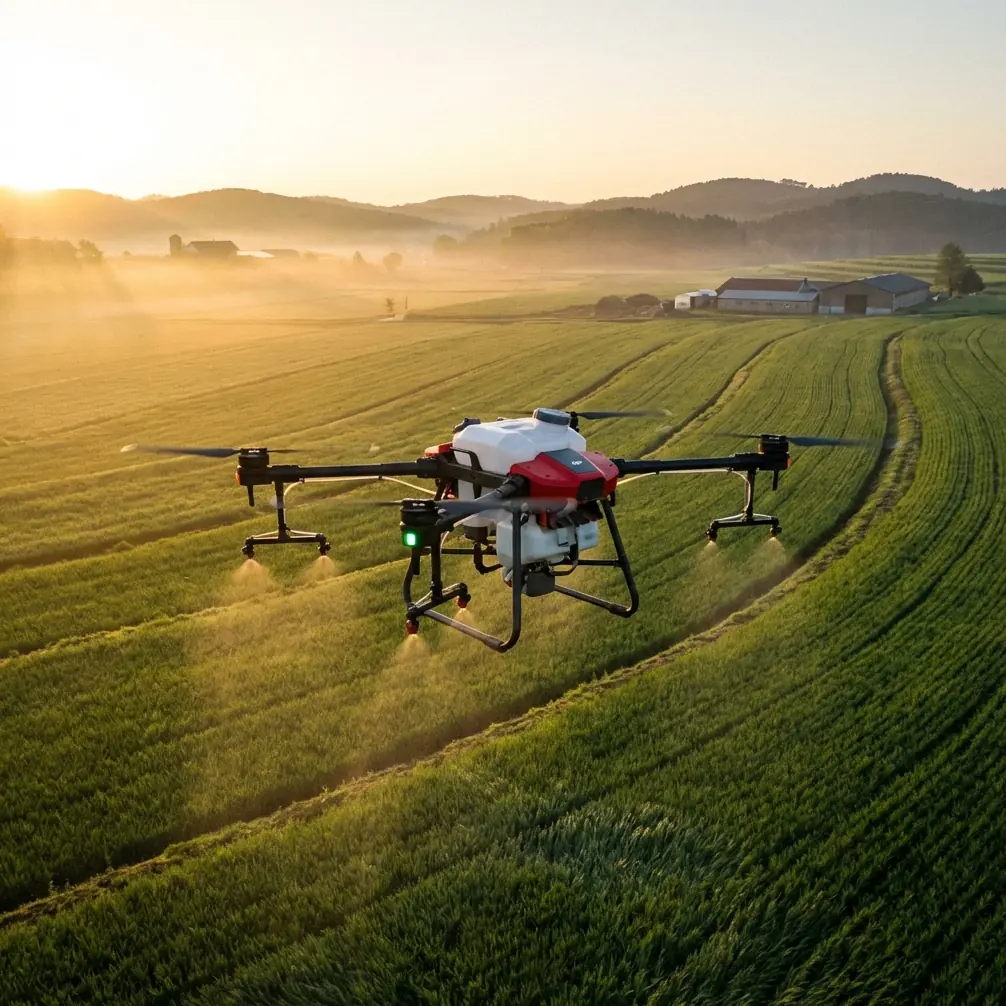
Agras T70P Tutorial for Filming Solar Farms on Coastal Sites
META: Practical Agras T70P setup tips for coastal solar farm operations, including pre-flight cleaning, RTK stability, nozzle checks, spray drift control, and safe low-altitude filming workflow.
Filming a coastal solar farm with an Agras T70P is not the same as flying over inland row crops. Salt hangs in the air. Wind direction shifts faster than many pilots expect. Long reflective panel arrays can complicate visual orientation, exposure, and route planning all at once. If the mission includes documenting operations, mapping treatment zones, or capturing progress footage around active agricultural or vegetation-control work, the aircraft setup matters just as much as the camera strategy.
That is where a disciplined pre-flight routine earns its keep.
I have worked with crews who focus heavily on payload settings, route lines, and image capture while overlooking the small things that keep the aircraft predictable in coastal environments. On the T70P, one of the smartest habits is a pre-flight cleaning step before power-up and calibration. It sounds basic. It is not. In a salt-laden location, residue can build around key exterior surfaces, connectors, landing gear contact points, spray-system hardware, and sensing areas. Even on a platform designed for demanding field work, grime changes how reliably systems perform over time.
For a job around solar farms near the coast, the best tutorial does not begin with flight modes. It begins with what you wipe down, inspect, and verify before the props ever spin.
Why the coastal solar farm environment changes the T70P workflow
A solar farm creates its own operational geometry. You are dealing with long corridors, repeating rows, hard glare, and narrow margins around fencing, service roads, combiner boxes, and maintenance traffic. Add a coastal weather pattern and the mission becomes more sensitive to timing and aircraft condition.
The Agras T70P is built for professional field use, and one specification that matters here is its IPX6K protection level. Operationally, that matters because coastal work is rarely clean work. Fine mist, residue, and washdown conditions are part of the day. IPX6K does not mean you can neglect maintenance. It means the airframe is designed with the expectation that demanding environments are normal, not exceptional. That is a major advantage when you are staging near sea air and dusty service lanes around panel installations.
The second detail that matters is centimeter precision in RTK-supported operations. On a solar site, that level of positioning accuracy is not just about neat route lines. It affects repeatability. If you need to document the same maintenance corridor, vegetation edge, or drainage strip across multiple site visits, consistent placement is what turns footage into useful operational evidence rather than just attractive visuals. High RTK fix rate stability is especially valuable when you are flying structured paths parallel to panel rows where small deviations can quickly become noticeable on-screen.
Those two details, IPX6K durability and centimeter-level positioning, are not marketing trivia. They directly shape whether the aircraft remains dependable and whether your footage can serve a technical purpose.
Start with the cleaning step nobody should skip
Before every coastal mission, I recommend a simple but strict cleaning sequence.
First, inspect the aircraft exterior with attention to spray nozzles, hose junctions, arm folds, landing gear interfaces, and any sensor-facing surfaces. You are looking for dried residue, salt film, sand, and anything sticky enough to interfere with motion, sensing, or fluid delivery. If the T70P has been used recently for spraying, this check becomes even more important. Deposits around the nozzle area can affect spray pattern consistency, and that has a direct bearing on drift behavior and coverage control if the aircraft will perform any treatment work near the filming area.
Second, wipe down vulnerable surfaces using approved materials and avoid leaving lint on critical areas. The goal is not cosmetic. The goal is preserving sensor clarity, mechanical freedom, and predictable system response.
Third, verify that drainage areas and exposed joints are clear of compacted debris. On coastal sites, fine grit can settle in places that look harmless until they begin restricting movement or trapping moisture.
This is also the right moment to inspect propeller roots, arm locks, and connector seats. If you wait until after battery-on, you are already behind.
A clean aircraft calibrates and responds more consistently. That is the practical reason this step belongs at the very front of the checklist.
Nozzle calibration matters even when filming is the headline task
Many solar farm operators use heavy-duty UAV platforms in mixed roles. One day the aircraft may support vegetation management around the array perimeter. Another day it may capture evidence of treatment quality, drainage behavior, or service access conditions. That overlap is why nozzle calibration deserves attention even if your immediate objective is filming.
If the nozzles are partially obstructed or unevenly worn, spray distribution can shift. On a coastal site, where crosswinds are common, any irregularity gets amplified. Spray drift then becomes harder to predict and harder to explain later if someone asks why one side of a corridor looks lighter or why droplets traveled farther than expected.
A proper nozzle calibration check helps you answer three operational questions before launch:
- Is the droplet output consistent across the boom or spray set?
- Is the expected swath width still realistic for today’s conditions?
- Has residue from the previous job altered the delivery pattern?
Those are not small questions. On a site full of reflective infrastructure, overspray control matters. Even if the aircraft is not applying product during the filming pass, the crew should know whether the spray system is clean, balanced, and ready. This protects the next mission and prevents a rushed turnaround from becoming a quality issue.
Use RTK discipline, not just RTK availability
A lot of pilots say they have RTK. Fewer operate as if precision depends on workflow discipline.
For coastal solar farm filming, RTK fix rate should be treated as a live operational health indicator, not a box to tick on the setup screen. You want a stable fix before committing to low, structured runs along panel rows or perimeter tracks. A drifting or inconsistent fix can create subtle lateral movement that becomes obvious when the camera is following straight infrastructure lines. It can also complicate repeat flights if you need to compare vegetation height, access changes, or equipment placement over time.
My advice is simple: do not rush the lock. Let the system settle. Confirm the fix quality in the actual working area, not just the launch point. Metal structures, service equipment, and local site geometry can produce enough signal complexity to justify a second confirmation before the main pass.
Centimeter precision is most valuable when you use it deliberately. That means matching route design to site structure, setting realistic speed for the wind, and resisting the urge to improvise too close to reflective rows without a stable positional solution.
Plan swath width like a camera operator and a field operator
Swath width is usually discussed as an application parameter, but it also affects how you document a site. When a T70P is supporting agricultural or grounds-maintenance tasks around a solar farm, the chosen swath width influences what the footage will show about uniformity, edge control, and overlap discipline.
A wider swath may look efficient on paper, but in a coastal wind regime it can become visually misleading. You might capture apparent inconsistency that is really the result of drift or variable deposition. A narrower and more controlled pass often produces footage that is easier to interpret later, especially if the purpose is verification rather than promotion.
This is one of the key judgement calls on mixed-purpose missions. Do not choose a swath width only because the aircraft can support it. Choose it because the site, wind, and documentation goal justify it.
If your team needs a second opinion on route structure or coastal setup logic, you can share mission details here: message me directly.
Spray drift is the real coastal complication
When people think about filming near solar arrays, they tend to focus on glare. In operational terms, spray drift is often the bigger issue.
Coastal airflow is rarely static. It bends around panel rows, service buildings, and slight terrain changes. A treatment pass that looked acceptable at takeoff can become questionable ten minutes later if the wind angle shifts. That matters for application quality, environmental control, and the credibility of the footage you are collecting.
The T70P gives operators the muscle for serious field work, but drift management still comes down to pilot judgement and preparation. Here is the practical approach I recommend:
- Check wind not only at launch height but also at working height near the panel corridors.
- Reassess direction after every battery cycle.
- Reduce assumptions about sheltered zones. Solar rows channel air in strange ways.
- Use conservative route spacing when drift risk rises.
- Pause the mission if the deposition pattern no longer matches the plan.
The reason to be strict here is simple. On a coastal site, bad drift decisions can ruin both the treatment outcome and the value of the documentation. Once the footage shows inconsistent behavior, you cannot argue your way back to precision.
Where multispectral thinking fits, even if your main output is video
Not every T70P mission around a solar farm involves multispectral payload logic directly, but the mindset is useful. Multispectral operations train crews to think in layers: visual condition, stress patterns, repeatable geolocation, and comparative records over time.
That same mindset improves filming runs. Instead of chasing broad cinematic passes, structure the mission around what the imagery should prove. Are you documenting vegetation encroachment along fencing? Standing water near cable routes? Regrowth after corridor treatment? Uneven edge management between panel blocks?
When you think this way, your filming plan becomes evidence-driven. RTK precision, route repeatability, altitude consistency, and timing all become more valuable. The result is footage that operations teams can actually use.
A practical launch sequence for the T70P on a coastal solar site
Here is the field-tested order I prefer:
Begin with the cleaning inspection. Remove salt film, dust, and residue from critical surfaces. Check nozzles and delivery hardware even if the mission emphasis is filming. Confirm arm locks, props, landing gear condition, and battery seating. Power up only after the aircraft is physically ready.
Next, establish and verify RTK quality. Do not settle for a partial or unstable solution if the mission requires structured low-altitude passes. Validate fix behavior in the zone where you will actually work.
Then assess wind in relation to the panel layout. This matters more than a raw wind number. A moderate crosswind hitting the rows at the wrong angle can be more disruptive than a stronger but more predictable headwind alignment.
After that, set your route with sunlight and reflectivity in mind. Coastal glare can wipe out detail quickly, especially on bright surfaces. Plan for the angle of the sun, not just the geometry of the site.
Only then should you commit to the working pass.
This order protects both the aircraft and the mission objective. It also keeps crews from skipping the quiet, boring checks that prevent the expensive mistakes.
The bigger lesson for Agras T70P operators
The Agras T70P is at its best when the operator respects the environment as much as the machine. On coastal solar farm jobs, reliability is not created by one big feature. It comes from the interaction of small disciplines: cleaning before startup, verifying nozzle condition, treating RTK fix rate as mission-critical, adjusting swath width to reality, and taking drift seriously.
That is the difference between a flight that looks successful in the moment and a mission that stands up to operational scrutiny afterward.
The pilots who consistently get strong results from platforms like the T70P are rarely the ones doing dramatic improvisation. They are the ones who build repeatability into every stage of the day. Wipe it down. Inspect it properly. Confirm the fix. Respect the wind. Fly the route that the site conditions deserve, not the one that sounded efficient during morning planning.
For coastal solar farm work, that discipline is what keeps the Agras T70P useful long after the first pass is complete.
Ready for your own Agras T70P? Contact our team for expert consultation.