
Agras T70P in Dusty Vineyards: Fixing Drift, RTK Dropouts
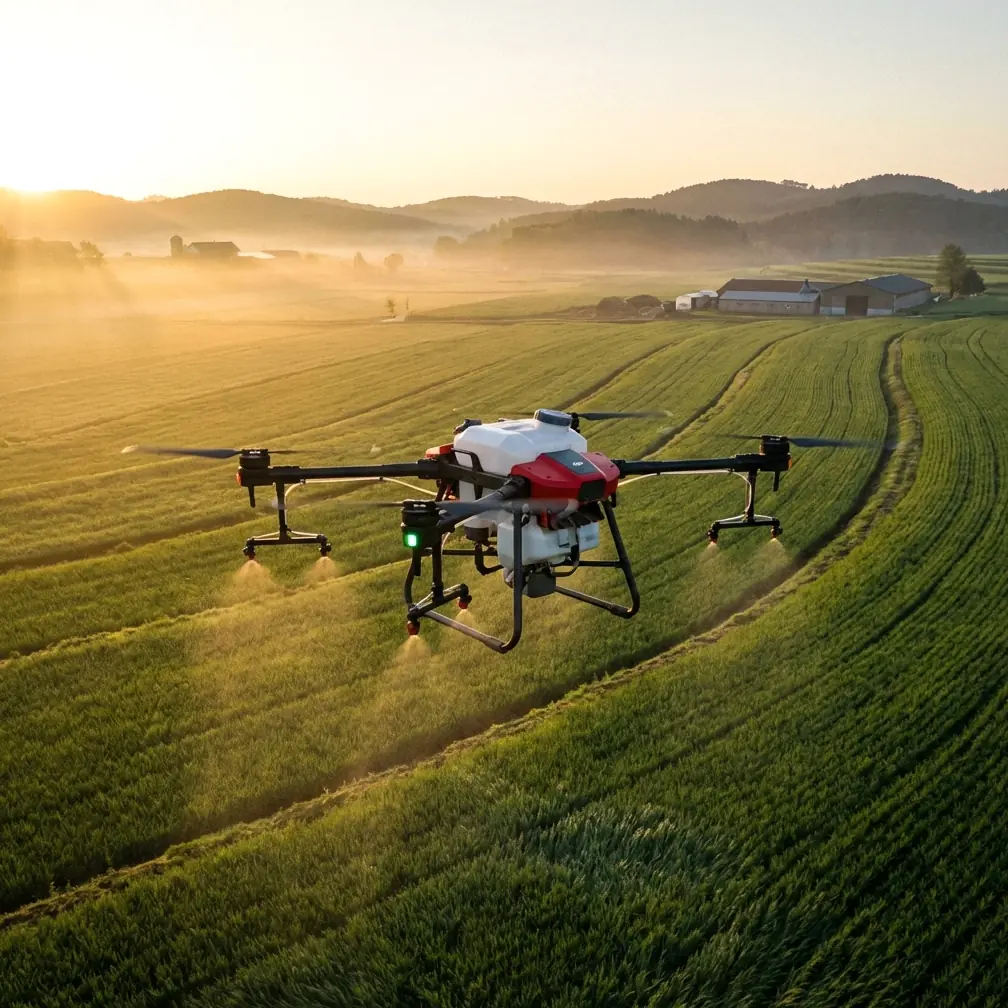
Agras T70P in Dusty Vineyards: Fixing Drift, RTK Dropouts, and Uneven Coverage Before They Cost You a Block
META: Expert analysis of how to run the Agras T70P in dusty vineyard conditions, with practical guidance on spray drift control, nozzle calibration, RTK fix stability, and electromagnetic interference management.
Vineyards punish vague setup.
Rows are narrow. Canopies are inconsistent. Dust hangs in the air longer than operators expect. Add rolling terrain, trellis wire, metal posts, pumps, service vehicles, and the occasional patchy GNSS reception, and a platform that looks excellent on paper can still deliver weak field results if it is not dialed in for the site.
That is the real story with the Agras T70P in vineyard work. The aircraft itself is only part of the result. The rest comes from how the operator handles variables that usually go unmentioned until coverage starts to look uneven, drift shows up beyond the row, or the RTK fix rate begins to wobble right when precision matters most.
I approach the T70P as a vineyard tool, not a brochure object. In dusty delivery and spray environments, the priorities are straightforward: stable positioning, predictable droplet placement, clean row-to-row repeatability, and enough environmental resilience to keep working without constant downtime. Those priorities sound obvious. In practice, they depend on several linked decisions, and small mistakes compound fast.
Why dusty vineyards create a different operating profile
A dusty vineyard does not just challenge visibility. It changes how the whole job behaves.
Dust can interfere with sensors, obscure visual assessment of the spray pattern, settle into exposed components, and make post-flight inspection more than a formality. If the site also includes metal trellis infrastructure and electrical equipment nearby, you have another layer of complexity: electromagnetic interference. That is where operators start noticing inconsistent RTK behavior, delayed correction lock, or occasional route instability near specific edges of a block.
This is why centimeter precision is not just a specification to admire. In vineyards, it directly affects whether your swath width remains useful from one pass to the next, whether overlap is controlled, and whether material lands where the agronomic plan intended. A strong RTK fix rate matters because vines do not forgive lazy lateral accuracy. A few avoidable misses per row turn into visible treatment inconsistency across a parcel.
The T70P is relevant here because vineyard work rewards aircraft that can maintain disciplined pathing in constrained layouts while tolerating dirty operating conditions. If your workday includes repeated takeoffs from dusty service roads and transitions between blocks with different terrain and interference signatures, reliability under those conditions becomes more valuable than headline specs alone.
The first failure point is usually not the drone
Most coverage problems in vineyards get blamed on the aircraft too early.
Operators often assume the issue is payload flow, route planning, or wind. Sometimes it is. But just as incorrect camera settings can produce washed-out skies, dark ground, and flat color even with a capable smartphone, incorrect flight and application settings can make a strong agricultural platform deliver mediocre field performance. That comparison matters more than it seems.
One of the reference materials makes a simple but useful point: automatic mode is often not enough, and beginners get better results when they use a ready-to-apply setup template instead of trusting defaults. It specifically calls out manual adjustment of ISO, shutter speed, metering, and white balance, warning that wrong settings can produce overexposed skies, dark ground, and dull images.
The vineyard parallel is direct. If a new T70P operator relies on “automatic everything,” the aircraft may still fly, but the agronomic outcome can suffer. In row crops with forgiving geometry, defaults may survive. In vineyards, they often do not. You need your own operational template: nozzle calibration verified before the block, swath width matched to canopy structure rather than wishful acreage targets, RTK performance checked at the site instead of assumed, and antenna placement adjusted if electromagnetic interference is present.
That is not over-management. It is the difference between a clean run and a rework.
Start with nozzle calibration, because drift begins before takeoff
Spray drift gets discussed as a weather problem. In vineyards, that is only half true.
Wind matters, of course. But drift risk also starts with droplet consistency, nozzle condition, pressure behavior, and whether the selected output suits the canopy density and row spacing. If nozzle calibration is skipped or rushed, the operator may think the T70P is underperforming when the real problem is an application profile that was never verified.
A vineyard with dusty access lanes adds another wrinkle. Dust accumulation around the system can hide wear, partial obstruction, or uneven output behavior until the pattern is already compromised. In that environment, calibration is not just a pre-season task. It should be part of the operating routine, especially when moving between blocks with different varietals or canopy architectures.
Operationally, this affects three things:
Deposition quality inside the canopy
If droplet distribution is inconsistent, the row face can look treated while the inner target remains underserved.Drift beyond the intended row
Too fine a droplet profile or poorly matched settings increase off-target movement, especially in hot, dusty conditions where evaporation pressure is already working against you.Swath width realism
A paper swath and a field swath are not the same thing. In vineyards, the usable swath width must be judged against real canopy interception and row geometry, not a generic expectation.
The T70P can only execute the job profile you give it. If the nozzle setup is wrong, precision flight will simply deliver inaccurate application with impressive consistency.
RTK fix rate is the hidden productivity metric in vineyards
A lot of teams watch battery cycles, tank turnaround, and hectares per hour. They should. But in vineyard operations, the RTK fix rate deserves equal attention.
If the aircraft repeatedly drops from a stable correction state or takes too long to re-establish centimeter precision, row alignment confidence starts to erode. That can force slower operations, more conservative overlap, or manual correction behavior that cuts into throughput and consistency.
In practical terms, a healthy RTK fix rate supports:
- tighter row tracking
- more dependable repeat passes
- reduced over-application from unnecessary overlap
- cleaner operation near irregular row ends or edge boundaries
This is especially significant in trellised vineyards where the visual environment may look open, but the signal environment is not necessarily clean. Metal infrastructure can reflect or distort signal conditions. Add nearby electrical equipment or temporary machinery, and the correction environment becomes less forgiving than an open field.
When operators tell me the T70P is “occasionally twitchy” in one part of a vineyard, I do not start with the route plan. I start by looking at where the interference sources are, what the antenna orientation looks like, whether the takeoff zone itself is contaminating the initialization quality, and whether the base or correction link is being blocked or degraded by terrain or structures.
Handling electromagnetic interference with antenna adjustment
This is the part many crews skip because it feels too technical. It should not.
Electromagnetic interference in vineyard work often presents as something vague: unstable positioning near one edge of the block, poorer route confidence around metal-heavy infrastructure, or intermittent RTK behavior that seems impossible to reproduce in the yard. The fix is not always complicated, but it does require method.
Antenna adjustment is one of the first practical interventions worth making.
The goal is simple: improve the quality and consistency of signal reception by reducing avoidable blockage and minimizing orientation issues relative to the working environment. In the field, that means checking whether the antenna setup is exposed properly, not shielded by mounting choices or nearby gear, and not compromised by how support equipment is positioned during initialization.
A few working habits help:
- initialize away from pumps, large vehicles, and concentrated metal clutter when possible
- avoid staging directly beside trellis stacks, wire bundles, or powered infrastructure
- confirm RTK lock quality before entering the first row rather than trusting a quick startup glance
- if one block consistently produces weaker signal behavior, test an alternative launch point and reassess antenna orientation before changing application parameters
This is where a consultant earns their keep. Not by reciting specifications, but by identifying whether the issue is atmospheric, mechanical, or electromagnetic. If you need a second set of eyes on a difficult vineyard layout, you can message Marcus directly here with the block conditions and symptoms.
Dust resistance matters, but only if maintenance discipline matches it
A platform rated for harsh conditions is valuable in vineyard service. References to IPX6K-level protection matter because dusty, splash-prone operations are not edge cases in agriculture. They are routine.
But protection ratings do not eliminate maintenance. They buy margin.
In dusty vineyard runs, that margin is useful during repeated turnarounds, especially when loading zones are less than ideal. Still, dust finds its way into assumptions. Operators start trusting that environmental resilience means less inspection. That is backward. A robust platform should encourage harder use, yes, but also sharper checks between sorties.
On the T70P, that translates into a simple mindset: after each block, inspect with the same seriousness you would apply after a visible incident. Dust can conceal residue buildup, mask early wear points, and degrade confidence in visual readings of fittings and spray components. If the aircraft is being used for delivery tasks into vineyard zones rather than direct spraying, the same principle applies. Dust affects landing-zone assessment, handling surfaces, and the cleanliness of mission-critical interfaces.
The aircraft’s resilience is operationally significant because it lets crews keep moving in conditions that would slow lighter-duty systems. The significance is not that it can endure dirt. The significance is that it can keep precision work credible in dirty environments, provided the operator does not confuse tolerance with invulnerability.
Multispectral planning is useful, but execution still wins the day
Many vineyard managers are increasingly interested in multispectral data for vigor mapping, stress detection, and targeted treatment planning. That is a smart direction. It can tighten application logic and reduce blanket decisions across blocks with uneven plant health.
But there is a trap here. Teams sometimes put all the analytical energy into deciding where to treat and not enough into ensuring the T70P can execute that plan with fidelity once it reaches the row.
The sequence should be: detect variability, define treatment zones, then make sure field delivery respects those boundaries with real centimeter precision and stable swath control. If RTK stability is poor or spray drift is unmanaged, the value of the multispectral insight starts leaking away the moment the aircraft begins work.
That is why I keep returning to basics that are not actually basic: calibration, lock quality, and interference management. Fancy planning cannot rescue poor execution in a vineyard. It just makes the mismatch more expensive.
A practical vineyard setup philosophy for the T70P
If I were building a repeatable operating template for the Agras T70P in dusty vineyards, it would look like this:
Before the day starts
- inspect spray hardware and confirm nozzle calibration
- validate antenna setup and correction link health
- choose a launch area with the least signal contamination and dust disturbance possible
Before each block
- verify RTK fix rate and lock stability
- reassess swath width against row spacing, canopy fullness, and wind
- walk the edge conditions for likely drift issues and interference sources
During operation
- watch for pattern inconsistency, not just route completion
- monitor whether one side of the block shows degraded positioning confidence
- treat any recurring anomaly as a site variable first, not an aircraft flaw by default
After the block
- inspect for dust loading, residue accumulation, and early signs of nozzle or line issues
- compare expected vs actual application consistency
- note whether launch point or antenna orientation changes improved lock performance
That approach sounds methodical because it is. Vineyards reward method.
The bigger point
The Agras T70P makes the most sense in vineyards when it is treated as a precision platform that needs a field-specific operating template, not a universal one-size-fits-all machine. Dusty conditions, trellis infrastructure, and electromagnetic noise do not necessarily stop the job, but they expose weak habits immediately.
Two details from the source material are worth carrying into that mindset. First, relying on automatic settings can produce visibly poor outcomes even with capable hardware. Second, beginners benefit from a ready-to-use template that controls key variables instead of leaving everything to default behavior. That was said about mobile landscape photography using settings like ISO, shutter speed, metering, and white balance. The logic transfers surprisingly well to vineyard drone operations. In both cases, the device is not the real limitation. The setup is.
With the T70P, the field version of that lesson is clear: define your application parameters deliberately, protect your RTK quality, calibrate your nozzles, and handle interference before it shows up in the vines.
That is how you get clean work in dirty conditions.
Ready for your own Agras T70P? Contact our team for expert consultation.