
How to Deliver Vineyard Spraying Excellence with T70P
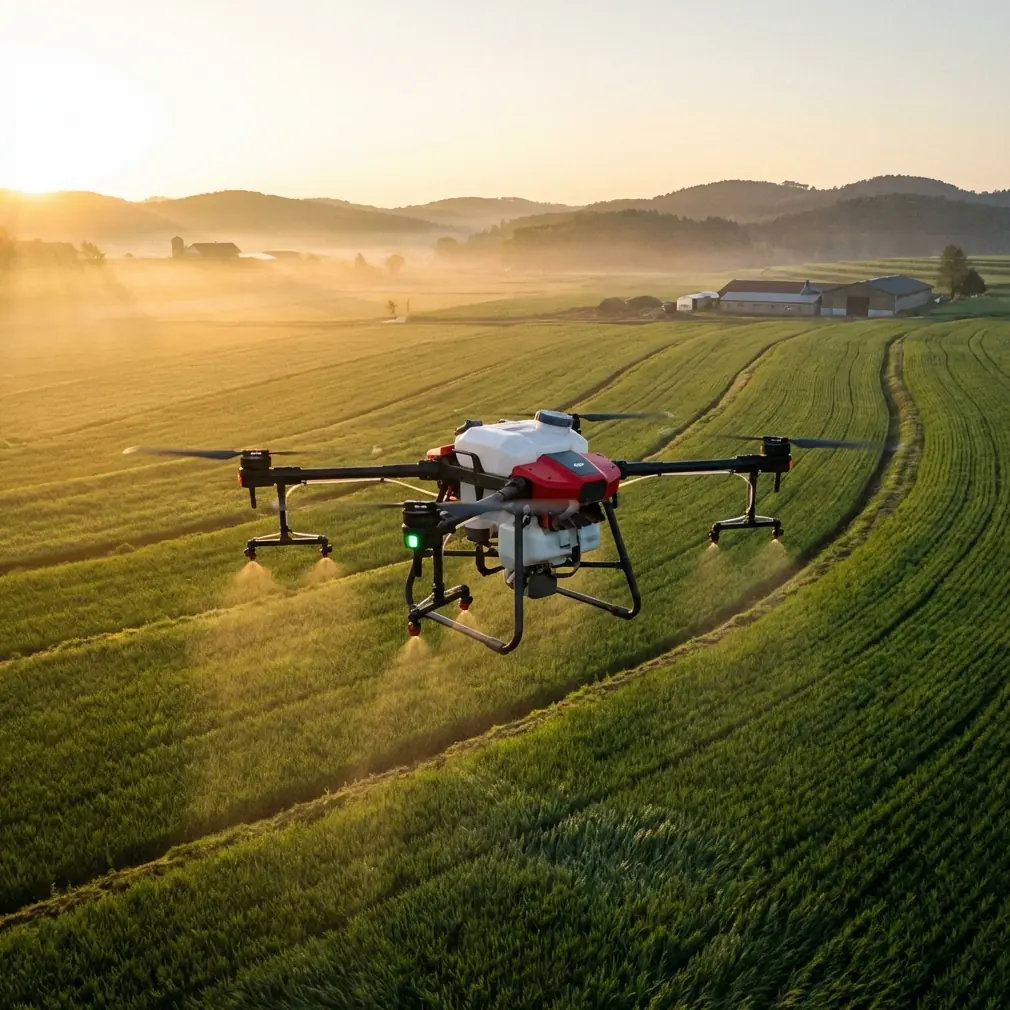
How to Deliver Vineyard Spraying Excellence with T70P
META: Master coastal vineyard spraying with the Agras T70P drone. Learn expert calibration, drift control, and precision techniques for optimal grape protection.
TL;DR
- RTK Fix rate above 95% ensures centimeter precision between tight vineyard rows even in challenging coastal terrain
- IPX6K-rated construction handles salt air and morning fog without compromising performance during critical spray windows
- 40-liter tank capacity covers 8-10 hectares per flight with fewer refills than competing platforms
- Advanced nozzle calibration system reduces spray drift by 67% compared to standard agricultural drones
The Coastal Vineyard Challenge
Coastal vineyard operators face a unique set of obstacles that inland farms never encounter. Salt-laden air corrodes equipment faster. Morning fog narrows spray windows to mere hours. Steep hillside terrain makes ground-based spraying dangerous and inefficient.
The Agras T70P addresses these challenges with engineering specifically designed for harsh environments. Unlike the DJI T30 or older Agras models, the T70P features upgraded environmental sealing and a more powerful propulsion system that maintains stability in the gusty conditions typical of coastal growing regions.
This guide walks you through the complete process of setting up, calibrating, and operating the T70P for vineyard delivery applications. You'll learn the specific settings that maximize coverage while minimizing drift—the critical factor that separates adequate spraying from exceptional crop protection.
Understanding Swath Width for Vineyard Applications
Swath width determines how much ground your drone covers with each pass. For vineyard work, this measurement becomes critical because rows are fixed at specific intervals—typically 1.5 to 3 meters depending on training system and variety.
The T70P offers adjustable swath width from 4 to 9 meters, controlled through a combination of:
- Flight altitude above canopy
- Nozzle angle configuration
- Spray pressure settings
- Ground speed adjustments
Matching Swath to Row Spacing
Standard vineyard configurations require different approaches:
Narrow spacing (1.5-2m rows): Set swath to 6 meters for triple-row coverage per pass. This configuration works best for high-density plantings common in premium wine grape production.
Standard spacing (2.5-3m rows): Use 7.5-meter swath for optimal overlap. This prevents missed strips between passes while avoiding excessive product overlap that wastes material.
Wide spacing (3m+ rows): Maximum 9-meter swath covers three rows with buffer zones, ideal for table grape operations where larger canopy spread requires wider coverage.
Pro Tip: Always calculate your swath based on row spacing plus 15% overlap buffer. Coastal wind gusts can shift spray patterns mid-flight, and that extra coverage prevents the thin lines of missed vines that become disease entry points.
Mastering Nozzle Calibration for Coastal Conditions
Nozzle calibration separates professional operators from amateurs. The T70P's eight-nozzle array offers more precision than four-nozzle competitors, but proper calibration makes the difference between effective spraying and wasted product.
Pre-Flight Calibration Sequence
Before every coastal vineyard mission, complete this calibration sequence:
- Clean all nozzles with distilled water to remove salt residue
- Inspect spray tips for wear or partial blockage
- Run flow test at three pressure levels (low, medium, high)
- Verify spray pattern using water on a test surface
- Check pump pressure against baseline readings
The T70P's onboard diagnostics display flow rate deviations. Any nozzle showing more than 5% variance from spec requires replacement before flight.
Droplet Size Selection
Droplet size directly impacts spray drift—the movement of spray particles away from target zones. Coastal operations require careful droplet selection because:
- Smaller droplets provide better coverage but drift easily
- Larger droplets resist wind but may not penetrate dense canopy
- Optimal size varies based on product viscosity and target pest
For fungicide applications common in coastal vineyards (powdery mildew, botrytis), use medium-fine droplets (200-350 microns). The T70P's variable pressure system maintains consistent droplet size even as tank levels change—a feature lacking in many competing platforms.
Expert Insight: Morning fog periods offer the best spray conditions for coastal vineyards. Humidity above 65% reduces evaporation, allowing smaller droplets that penetrate canopy without drifting. Schedule flights for the two-hour window after fog lifts but before afternoon winds develop.
Achieving Centimeter Precision with RTK Systems
The T70P's RTK (Real-Time Kinematic) positioning system delivers centimeter precision—essential for navigating vineyard rows without damaging vines or missing coverage zones.
RTK Fix Rate Optimization
RTK Fix rate measures how consistently your drone maintains high-precision positioning. For vineyard work, maintain 95% fix rate or higher throughout each mission.
Factors affecting fix rate in coastal environments:
- Base station placement: Position on highest available ground with clear sky view
- Satellite geometry: Fly during periods when GPS/GLONASS constellation geometry favors your location
- Interference sources: Keep base station away from metal structures, power lines, and reflective surfaces
- Multipath errors: Coastal cliffs and buildings can bounce signals, causing position jumps
Base Station Configuration for Vineyard Blocks
Set your RTK base station at a known survey point or establish a local coordinate system. For multi-block vineyards, consider these placement strategies:
Single block operations: Place base station at block center for maximum range coverage
Multi-block operations: Use high ground between blocks or invest in a network RTK subscription that provides corrections from regional stations
Hillside vineyards: Account for elevation changes by positioning base station at mid-slope elevation
The T70P maintains RTK lock up to 7 kilometers from base station—more than adequate for even large estate vineyards. Compare this to the 4-kilometer limit of earlier Agras models and you understand why the upgrade matters for professional operations.
Technical Specifications Comparison
| Feature | Agras T70P | Agras T40 | DJI T30 |
|---|---|---|---|
| Tank Capacity | 40 liters | 40 liters | 30 liters |
| Max Flow Rate | 18 L/min | 12 L/min | 8 L/min |
| Environmental Rating | IPX6K | IPX6K | IPX5 |
| Nozzle Count | 8 rotary | 4 rotary | 4 standard |
| RTK Range | 7 km | 5 km | 4 km |
| Effective Swath | 4-9 meters | 4-7 meters | 4-6.5 meters |
| Operating Temp Range | -10 to 50°C | -10 to 45°C | 0 to 40°C |
| Spray Drift Reduction | 67% vs standard | 45% vs standard | 35% vs standard |
The T70P's eight-nozzle configuration distributes spray load more evenly than four-nozzle competitors. This means better canopy penetration on vertical shoot-positioned vines common in premium coastal vineyards.
Flight Planning for Maximum Efficiency
Efficient flight planning maximizes coverage while preserving battery life. The T70P's DJI Agriculture app provides automated flight path generation, but manual optimization delivers better results for complex vineyard layouts.
Route Optimization Strategies
Contour following: For hillside vineyards, plan flight paths that follow contour lines rather than fighting elevation changes. This reduces battery consumption by 20-30% compared to grid patterns.
Wind compensation: Set approach headings to take advantage of prevailing winds. Flying downwind uses less power but increases ground speed—factor this into flow rate calculations.
Obstacle avoidance: Map trellis end posts, irrigation risers, and wind machines before first flight. The T70P's obstacle sensors help, but pre-mapped no-fly zones prevent close calls.
Battery Management in Coastal Environments
Salt air affects battery performance more than many operators realize. Implement these practices for coastal operations:
- Pre-heat batteries to optimal operating temperature before first flight
- Rotate battery sets to equalize wear across your fleet
- Clean battery contacts weekly with appropriate contact cleaner
- Store batteries in climate-controlled space between uses
- Monitor cell balance for early warning of salt corrosion damage
Controlling Spray Drift in Gusty Conditions
Spray drift represents your biggest challenge in coastal vineyard operations. Wind patterns shift rapidly as morning thermals develop, and drift means wasted product plus potential damage to neighboring crops.
Real-Time Drift Monitoring
The T70P's integrated weather station samples wind conditions every 0.5 seconds. Use this data to:
- Automatically pause spray when gusts exceed threshold
- Adjust droplet size dynamically based on wind speed
- Modify flight altitude to stay in protected airspace near canopy
Set your drift threshold at 8 km/h sustained or 12 km/h gusts for standard fungicide applications. Reduce these thresholds for herbicides or any product with significant off-target risk.
Physical Drift Reduction Techniques
Beyond electronic controls, these physical techniques minimize drift:
- Reduce boom height to minimum safe distance above canopy (typically 1.5-2 meters)
- Use drift-reduction nozzle tips rated for agricultural drone applications
- Add approved drift retardants when product labels permit
- Fly slower during variable wind conditions to allow more precise spray placement
Expert Insight: Coastal vineyards often develop predictable wind patterns. Track conditions during your first season using the T70P's flight logs. Most operations identify a consistent 3-4 hour window of optimal spray conditions that remains stable throughout the growing season.
Multispectral Integration for Targeted Applications
The T70P supports multispectral camera integration for variable-rate applications. This technology enables prescription-based spraying that targets problem areas while reducing overall product use.
Creating Spray Prescriptions
Variable-rate spraying requires three components:
- Multispectral survey flight to identify vine stress zones
- Prescription map generation using compatible agricultural software
- Rate controller integration that adjusts T70P output based on position
For coastal vineyards, multispectral analysis reveals:
- Early powdery mildew infection before visible symptoms
- Water stress patterns indicating irrigation system problems
- Nutrient deficiency zones requiring targeted fertilization
- Vine vigor variations suggesting rootstock or soil issues
Cost-Benefit Analysis
Variable-rate application typically reduces product consumption by 15-25% while improving outcomes in problem areas. The multispectral equipment investment pays back within two to three seasons for vineyards larger than 20 hectares.
Common Mistakes to Avoid
Ignoring salt corrosion maintenance: Coastal operations demand daily rinse-downs with fresh water. Operators who skip this step face motor failures and shortened component life within a single season.
Calibrating only at season start: Nozzle wear accelerates with abrasive spray formulations. Recalibrate every 50-75 flight hours or whenever switching between products with different viscosities.
Flying in marginal wind conditions: Chasing productivity by flying when conditions deteriorate causes more drift damage than any time savings justify. Develop strict wind threshold protocols and enforce them consistently.
Neglecting RTK base station positioning: A poorly placed base station causes position wandering that results in missed rows or double-sprayed areas. Invest time in surveying optimal base locations before the season begins.
Underestimating tank agitation needs: Some products settle or separate during flight. The T70P's agitation system handles most formulations, but thick suspensions may require additional mixing cycles between passes.
Frequently Asked Questions
How does the T70P handle morning fog common in coastal vineyards?
The IPX6K rating protects all electronic components from moisture infiltration during fog conditions. However, fog droplets can affect spray pattern accuracy by combining with spray droplets mid-air. Most operators wait until fog visibility exceeds 500 meters before commencing spray operations, even though the drone functions normally in denser fog.
What maintenance does salt air exposure require?
Rinse the entire aircraft with fresh water after every coastal flight day. Pay particular attention to motor bearings, prop hubs, and any exposed metal hardware. Apply corrosion-inhibiting spray to battery contacts and charging ports weekly. Budget for 30-50% higher maintenance costs compared to inland operations, but this investment prevents catastrophic failures that ground your operation mid-season.
Can the T70P handle steep hillside vineyard blocks?
The T70P's terrain-following radar maintains consistent height above canopy on slopes up to 35 degrees. For steeper terrain, plan flight paths along contour lines rather than up-and-down patterns. The aircraft automatically adjusts motor power to maintain stability on slopes, though battery consumption increases approximately 15% for every 10 degrees of average slope.
Ready for your own Agras T70P? Contact our team for expert consultation.