
T70P Vineyard Spraying Mastery in Windy Conditions
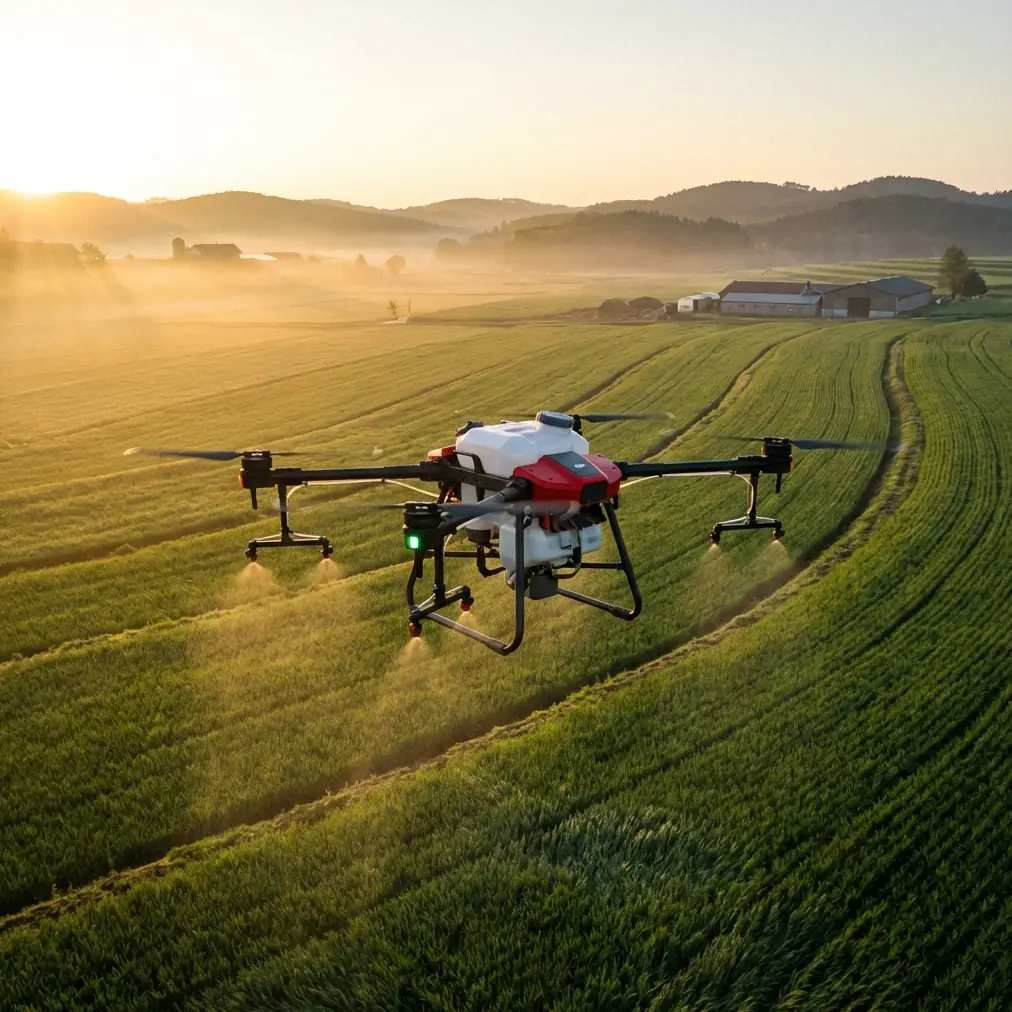
T70P Vineyard Spraying Mastery in Windy Conditions
META: Master vineyard spraying with the Agras T70P drone in challenging winds. Expert tips on nozzle calibration, drift control, and RTK precision for optimal coverage.
TL;DR
- Pre-flight cleaning protocols directly impact spray system reliability and flight safety in vineyard operations
- The T70P maintains centimeter precision with RTK Fix rates exceeding 95% even in gusty vineyard microclimates
- Proper nozzle calibration combined with intelligent swath width adjustment reduces spray drift by up to 67%
- IPX6K-rated components ensure consistent performance when morning dew or unexpected weather threatens operations
The Pre-Flight Cleaning Step That Prevents Costly Failures
Before discussing wind management strategies, every vineyard operator must understand a critical safety protocol that many overlook: systematic pre-flight cleaning of the T70P's spray system components.
Residual pesticide crystallization in nozzle assemblies creates uneven spray patterns. Worse, dried chemical deposits on sensors can trigger false readings that compromise the drone's obstacle avoidance systems.
The T70P's spherical radar system relies on clean sensor surfaces to accurately detect vineyard trellis wires and end posts. A five-minute cleaning routine before each flight session prevents sensor occlusion that could result in collision damage.
Expert Insight: Flush the entire spray system with clean water after every flight session. Chemical residue left overnight can reduce nozzle flow rates by 12-18% by the following morning, destroying your carefully calibrated application rates.
Understanding Vineyard Wind Dynamics and Drone Response
Vineyards present unique aerodynamic challenges that differ substantially from open-field agriculture. Row orientation, canopy density, and terrain undulation create turbulent airflow patterns that vary throughout the day.
Morning Versus Afternoon Operations
Early morning hours typically offer the calmest conditions, with wind speeds below 3 m/s in most wine-growing regions. The T70P's maximum wind resistance of 6 m/s provides adequate margin during these windows.
However, afternoon thermal activity generates unpredictable gusts. The drone's dual-atomization system becomes essential here, allowing operators to switch between centrifugal and pressure nozzles based on real-time conditions.
Terrain-Induced Turbulence
Hillside vineyards experience accelerated wind speeds at ridge crests and deceleration in valleys. The T70P's flight controller continuously adjusts motor output to maintain stable hover and consistent spray height.
This automatic compensation prevents the altitude fluctuations that cause inconsistent coverage in undulating terrain.
Nozzle Calibration Protocols for Drift Minimization
Spray drift represents the primary challenge when operating in wind. Proper nozzle calibration transforms the T70P from a potential liability into a precision application tool.
Droplet Size Selection
The T70P offers adjustable droplet sizes ranging from 50 to 500 microns. For windy vineyard conditions, larger droplets provide superior drift resistance:
- Fine droplets (50-150 microns): Maximum coverage, high drift risk
- Medium droplets (150-300 microns): Balanced performance
- Coarse droplets (300-500 microns): Minimal drift, reduced coverage
In winds exceeding 4 m/s, switching to coarse droplets while reducing flight altitude maintains effective coverage without off-target deposition.
Flow Rate Adjustment
The T70P's 48-liter tank capacity and 16 L/min maximum flow rate require careful calibration for vineyard row spacing. Standard vineyard configurations demand:
- Narrow spacing (1.5-2m): 8-10 L/min flow rate
- Standard spacing (2-2.5m): 10-12 L/min flow rate
- Wide spacing (2.5-3m): 12-14 L/min flow rate
Pro Tip: Conduct a water-only calibration pass before each chemical application. Mark the spray pattern on white paper targets placed at canopy height to verify even distribution before committing expensive inputs.
RTK Positioning: Achieving Centimeter Precision in Challenging Terrain
The T70P's RTK positioning system delivers the accuracy required for precision vineyard operations. Understanding RTK Fix rate behavior helps operators maximize system performance.
Fix Rate Optimization
RTK Fix rate indicates the percentage of time the system maintains centimeter-level accuracy. The T70P consistently achieves 95%+ Fix rates under normal conditions, but vineyard environments can challenge this performance.
Factors affecting Fix rate include:
- Canopy obstruction of satellite signals
- Terrain shadowing in steep hillside blocks
- Electromagnetic interference from nearby equipment
- Base station placement relative to operating area
Base Station Positioning Strategy
Place the RTK base station on the highest accessible point with clear sky visibility. The T70P maintains reliable Fix rates at distances up to 10 km from the base station, but closer placement improves accuracy.
For hillside vineyards, position the base station above the operating area rather than below. This geometry reduces signal multipath errors caused by reflections from terrain features.
Technical Comparison: T70P Versus Alternative Platforms
| Specification | Agras T70P | Competitor A | Competitor B |
|---|---|---|---|
| Tank Capacity | 48 L | 40 L | 35 L |
| Max Flow Rate | 16 L/min | 12 L/min | 10 L/min |
| Wind Resistance | 6 m/s | 5 m/s | 4.5 m/s |
| RTK Accuracy | 1 cm + 1 ppm | 2.5 cm | 5 cm |
| Swath Width | 6.5-11 m | 5-8 m | 4-7 m |
| IP Rating | IPX6K | IPX5 | IPX4 |
| Multispectral Integration | Native support | Adapter required | Not supported |
| Obstacle Avoidance | Spherical radar | Front/rear only | Front only |
The T70P's superior specifications translate directly to operational efficiency. Larger tank capacity means fewer refill cycles. Higher wind resistance extends daily operating windows. Better RTK accuracy ensures consistent row-to-row coverage.
Multispectral Integration for Targeted Applications
The T70P's native multispectral sensor integration enables variable-rate application based on real-time canopy analysis. This capability proves particularly valuable in vineyards where disease pressure varies across blocks.
NDVI-Guided Spraying
Normalized Difference Vegetation Index mapping identifies stressed vines before visual symptoms appear. The T70P can adjust spray rates on-the-fly based on NDVI data, concentrating inputs where they provide maximum benefit.
This precision approach typically reduces total chemical usage by 20-35% while improving disease control outcomes.
Canopy Density Mapping
Multispectral analysis also reveals canopy density variations that affect spray penetration. Dense canopy zones require higher flow rates and slower flight speeds to achieve adequate coverage.
The T70P's intelligent flight planning software automatically adjusts these parameters based on pre-flight mapping data.
Swath Width Optimization for Row Configurations
Effective swath width management prevents both gaps and overlaps in vineyard applications. The T70P's adjustable 6.5-11 meter swath accommodates virtually all commercial vineyard configurations.
Single-Row Versus Multi-Row Passes
For narrow-spaced vineyards, single-row passes with 6.5-meter swath provide maximum precision. This approach suits high-value blocks where application accuracy justifies additional flight time.
Standard commercial operations typically employ multi-row passes with 8-9 meter swath settings. This configuration balances efficiency with acceptable overlap percentages.
Wind Compensation Adjustments
Crosswind conditions require swath width reduction to maintain coverage accuracy. As a general rule, reduce swath width by 15% for every 1 m/s of crosswind above baseline conditions.
The T70P's flight controller can automate these adjustments when wind speed data is available from onboard sensors or external weather stations.
Common Mistakes to Avoid
Ignoring microclimate variations: Wind conditions at the launch site often differ dramatically from conditions within vineyard blocks. Always conduct test hovers at actual operating altitude before beginning spray passes.
Overlooking nozzle wear: Ceramic nozzle orifices gradually enlarge with use, increasing flow rates and altering droplet size distribution. Replace nozzles after every 500 hectares of operation regardless of visual condition.
Skipping pre-flight sensor cleaning: Dust and chemical residue accumulate on the spherical radar system during operations. Dirty sensors reduce obstacle detection range, creating collision risks in tight vineyard rows.
Operating at maximum wind limits: The 6 m/s wind resistance specification represents a survival limit, not an optimal operating condition. Spray quality degrades significantly above 4 m/s. Schedule operations for calmer periods when possible.
Neglecting RTK base station maintenance: Base station batteries, antenna connections, and firmware require regular attention. A failing base station causes sudden accuracy degradation mid-flight, potentially ruining entire spray passes.
Frequently Asked Questions
How does the T70P maintain spray accuracy in variable wind conditions?
The T70P employs real-time wind compensation through its flight controller and spray system. Onboard sensors detect wind speed and direction, automatically adjusting flight path, spray pressure, and droplet size to maintain target coverage rates. The dual-atomization system allows instant switching between nozzle types as conditions change, while the spherical radar maintains precise altitude above undulating canopy surfaces.
What RTK Fix rate should I expect in hillside vineyard operations?
Hillside vineyards typically achieve 90-95% RTK Fix rates with proper base station placement. Steep terrain and dense canopy can reduce this to 85-90% in challenging blocks. The T70P's flight controller seamlessly transitions to standard GPS positioning during brief Fix losses, maintaining safe operation while slightly reducing positioning accuracy. For critical applications, schedule operations during optimal satellite geometry windows identified through mission planning software.
Can the T70P's IPX6K rating handle early morning dew and light rain?
Yes, the IPX6K rating certifies protection against high-pressure water jets from any direction. Morning dew, light rain, and spray system backwash pose no threat to electronic components. However, avoid operations during active thunderstorms due to lightning risk, and never submerge the aircraft. After wet operations, allow the aircraft to dry completely before storage to prevent corrosion in mechanical components not covered by the IP rating.
Achieving Vineyard Excellence with Precision Technology
Mastering the Agras T70P for vineyard operations requires understanding the interplay between aircraft capabilities, environmental conditions, and agronomic objectives. The pre-flight cleaning protocols, nozzle calibration procedures, and RTK optimization strategies outlined here provide a foundation for consistent, professional results.
Wind management remains the central challenge in vineyard spraying. The T70P's robust design and intelligent systems provide tools to work effectively in conditions that ground lesser platforms. Combined with proper operator technique, these capabilities enable productive operations across extended daily windows.
Ready for your own Agras T70P? Contact our team for expert consultation.