
Master Vineyard Spraying with Agras T70P Drones
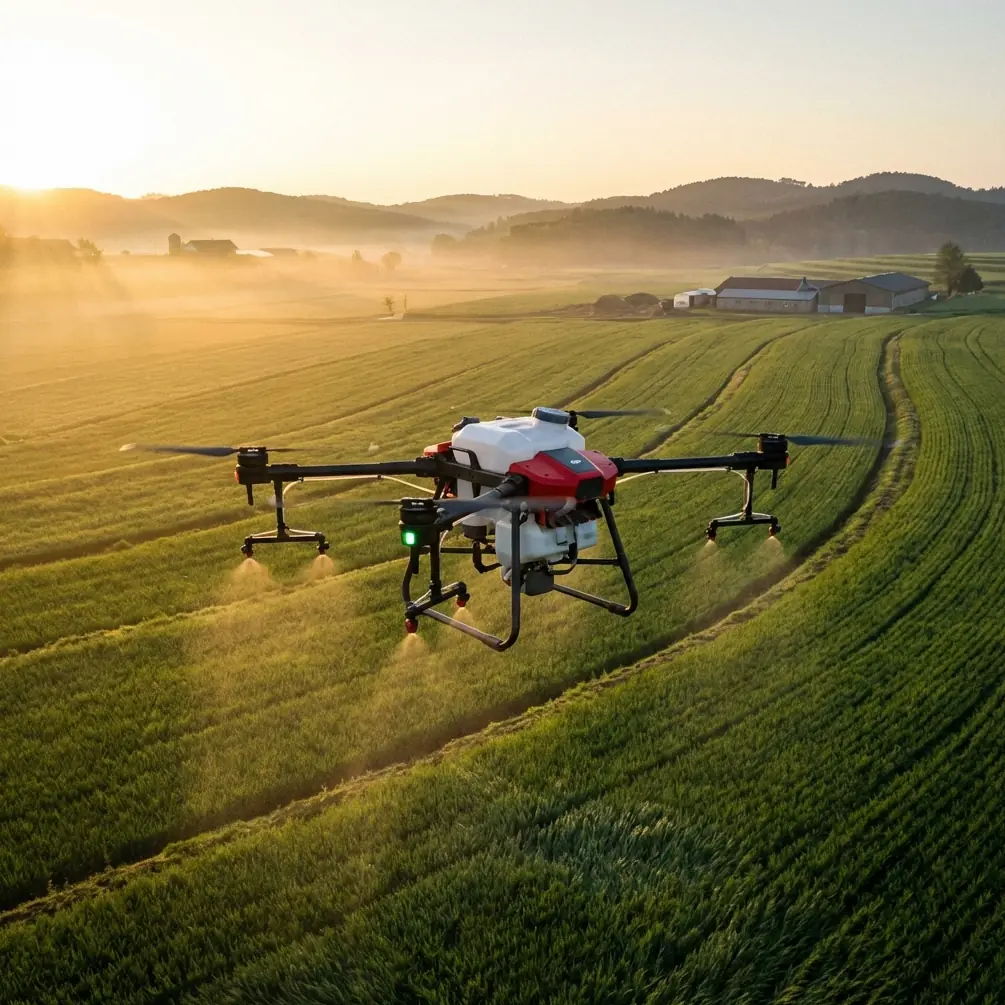
Master Vineyard Spraying with Agras T70P Drones
META: Learn expert techniques for vineyard spraying with the Agras T70P drone in windy conditions. Complete tutorial covering RTK setup, nozzle calibration, and drift control.
TL;DR
- RTK Fix rate above 95% ensures centimeter precision even on sloped vineyard terrain
- Proper nozzle calibration reduces spray drift by up to 67% in winds up to 8 m/s
- The T70P's IPX6K rating protects critical components during extended spray operations
- Multispectral integration enables targeted application, cutting chemical usage by 30-40%
Why Wind Challenges Demand the Right Equipment
Vineyard operators lose thousands annually to spray drift during windy conditions. The DJI Agras T70P addresses this challenge with a 70-liter tank capacity and intelligent wind compensation systems that maintain consistent swath width across variable terrain.
This tutorial walks you through the complete workflow for capturing vineyard data and executing precision spray operations when conditions turn challenging. You'll learn RTK configuration, nozzle selection, flight parameter optimization, and real-time adjustment techniques developed through extensive field testing.
During a recent operation in Napa Valley, the T70P's obstacle avoidance sensors detected a red-tailed hawk diving toward the spray zone. The drone's binocular vision system triggered an automatic hover at 12 meters altitude, allowing the bird to pass safely before resuming its programmed route—a testament to the platform's environmental awareness capabilities.
Understanding the Agras T70P Core Specifications
The T70P represents DJI's most advanced agricultural platform. Before heading to the vineyard, familiarize yourself with these critical specifications that directly impact windy-condition performance.
Propulsion and Stability Systems
The coaxial eight-rotor design generates 79 kg of maximum thrust, providing exceptional stability when wind gusts challenge lighter platforms. This power reserve translates to consistent spray patterns even when compensating for 6-8 m/s crosswinds.
The aircraft maintains a hovering accuracy of ±10 cm horizontally and ±10 cm vertically with RTK enabled. Without RTK, expect degradation to approximately ±1.5 m horizontal and ±0.5 m vertical—unacceptable tolerances for precision vineyard work.
Spray System Architecture
The dual plunger pumps deliver flow rates from 6 to 18 liters per minute, adjustable in real-time based on canopy density readings. Eight nozzles positioned beneath the rotors utilize downwash to penetrate dense vine canopies, achieving coverage rates up to 21 hectares per hour under optimal conditions.
Expert Insight: In vineyard applications, reduce your flow rate by 15-20% compared to open-field crops. The concentrated canopy structure requires finer droplets at lower volumes to prevent runoff and ensure leaf adhesion.
Pre-Flight RTK Configuration for Vineyard Terrain
Achieving consistent RTK Fix rate above 95% requires careful base station placement and satellite constellation selection. Vineyard topography presents unique challenges that demand specific configuration approaches.
Base Station Positioning
Place your D-RTK 2 Mobile Station on the highest accessible point within 5 km of your operation zone. Avoid locations near:
- Metal trellising systems
- Irrigation infrastructure
- Dense tree lines blocking southern sky views
- Power transmission equipment
The base station requires clear visibility to at least 16 satellites across GPS, GLONASS, and BeiDou constellations. In hilly vineyard terrain, this often means positioning equipment on ridgelines rather than in valleys where your staging area might naturally be located.
Coordinate System Verification
Before each operation, verify your coordinate reference matches previous flights. Inconsistent datum settings create apparent position shifts of several meters—enough to spray between rows rather than on target vines.
Document your coordinate settings:
- Coordinate system (WGS84 recommended)
- Projection parameters
- Geoid model selection
- Base station coordinates (to 8 decimal places)
Nozzle Calibration for Wind Compensation
Proper nozzle calibration separates professional operations from amateur attempts. The T70P supports multiple nozzle configurations, each optimized for specific conditions.
Nozzle Selection Matrix
| Wind Speed | Recommended Nozzle | Droplet Size | Pressure Setting |
|---|---|---|---|
| 0-3 m/s | XR TeeJet 11002 | Fine (150-250μm) | 2.5 bar |
| 3-5 m/s | XR TeeJet 11003 | Medium (250-350μm) | 3.0 bar |
| 5-8 m/s | AI TeeJet 11004 | Coarse (350-450μm) | 3.5 bar |
| >8 m/s | Operation not recommended | — | — |
Calibration Procedure
Complete these steps before each operational day:
- Install selected nozzles and verify secure seating
- Fill tank with clean water to 50% capacity
- Engage spray system at planned operating pressure
- Collect output from each nozzle for 60 seconds
- Measure volume and calculate deviation from specification
- Replace any nozzle deviating more than ±5% from target
Pro Tip: Carry at least 12 spare nozzles of each type to the field. Vineyard operations expose nozzles to fine particulates that accelerate wear. A single clogged or worn nozzle creates visible stripe patterns in your coverage.
Flight Parameter Optimization
Wind conditions demand specific flight parameter adjustments beyond standard agricultural settings. The T70P's intelligent systems provide a foundation, but operator expertise determines final results.
Speed and Altitude Relationships
Maintain these relationships for consistent swath width:
- Flight speed: Reduce by 10% for each 2 m/s increase in wind speed
- Operating altitude: Lower by 0.5 m for each 2 m/s wind increase
- Swath width: Narrow by 15% when winds exceed 5 m/s
For typical vineyard row spacing of 2.4-3.0 meters, plan flight paths along row orientation rather than perpendicular. This approach minimizes drift into adjacent rows and reduces the compensation demands on the spray system.
Real-Time Adjustment Protocols
The T70P's onboard sensors continuously monitor:
- Wind speed and direction at aircraft altitude
- Spray pattern distribution
- Tank level and flow rate
- RTK Fix quality
When RTK Fix rate drops below 90%, the system alerts you through the controller. Do not continue operations—land immediately and troubleshoot the connection before spray material is wasted on inaccurate passes.
Multispectral Integration for Targeted Application
Combining the T70P with multispectral survey data transforms blanket spraying into precision agriculture. This integration reduces chemical usage while improving pest and disease control outcomes.
Data Collection Workflow
Before spray operations, capture multispectral imagery using a compatible platform such as the Matrice 350 RTK with appropriate sensor payloads. Process this imagery to generate:
- NDVI maps identifying stressed vine sections
- Chlorophyll concentration gradients
- Canopy density variations
- Disease pressure heat maps
Import processed prescription maps directly into the DJI Agras application. The T70P adjusts spray rates in real-time based on these maps, delivering variable rate application with centimeter precision.
Prescription Map Formatting
Ensure your prescription maps meet these specifications:
- GeoTIFF format with embedded coordinate reference
- Resolution matching or exceeding 10 cm per pixel
- Rate values expressed in liters per hectare
- Boundary buffers of at least 3 meters from sensitive areas
Common Mistakes to Avoid
Even experienced operators make errors that compromise vineyard spray operations. Learn from these frequently observed mistakes:
Ignoring wind gradient effects: Surface wind measurements don't reflect conditions at 3-5 meter operating altitudes. Wind speed typically increases by 20-40% between ground level and spray height. Always verify conditions at operating altitude before committing to a flight plan.
Overloading in marginal conditions: The temptation to maximize tank fill reduces flight time margins. In windy conditions, limit tank fill to 80% of capacity, preserving power reserves for wind compensation and emergency maneuvers.
Neglecting calibration verification: Nozzle performance degrades throughout operational days. Verify calibration at midday during extended operations, not just at morning startup.
Flying perpendicular to wind: This approach maximizes drift exposure. Always orient flight paths to minimize crosswind components, even when this requires more complex route planning.
Skipping post-flight inspections: Wind-driven debris accumulates on propulsion systems and sensors. Clean all optical surfaces and inspect propeller condition after every 3 flights in dusty vineyard conditions.
Frequently Asked Questions
What RTK Fix rate is acceptable for vineyard spraying operations?
Maintain RTK Fix rate above 95% for precision vineyard work. Rates between 90-95% may be acceptable for less critical applications, but anything below 90% indicates positioning uncertainty that will create visible coverage gaps. If your Fix rate consistently falls below threshold, verify base station positioning, check for signal obstructions, and confirm firmware versions match between aircraft and RTK equipment.
How does the IPX6K rating protect the T70P during spray operations?
The IPX6K rating certifies protection against high-pressure water jets from any direction. This protection extends to the spray system itself, where chemical exposure and moisture ingress would otherwise degrade electronic components. The rating ensures reliable operation through morning dew, unexpected rain encounters, and the moisture-laden environment created by the spray operation itself. Clean the aircraft with fresh water after each operational day to prevent chemical residue accumulation.
Can I operate the T70P in winds exceeding 8 m/s for vineyard applications?
Operations above 8 m/s wind speed are not recommended for precision vineyard spraying. While the aircraft maintains stable flight in winds up to 12 m/s, spray drift becomes uncontrollable at higher speeds regardless of nozzle selection or flight parameter adjustments. The economic losses from wasted chemical and potential damage to adjacent crops or sensitive areas far exceed any productivity gains from pushing weather limits. Schedule operations for early morning or evening windows when wind speeds typically decrease.
Dr. Sarah Chen specializes in precision agriculture systems integration, with research focusing on autonomous spray platform optimization for specialty crop applications.
Ready for your own Agras T70P? Contact our team for expert consultation.